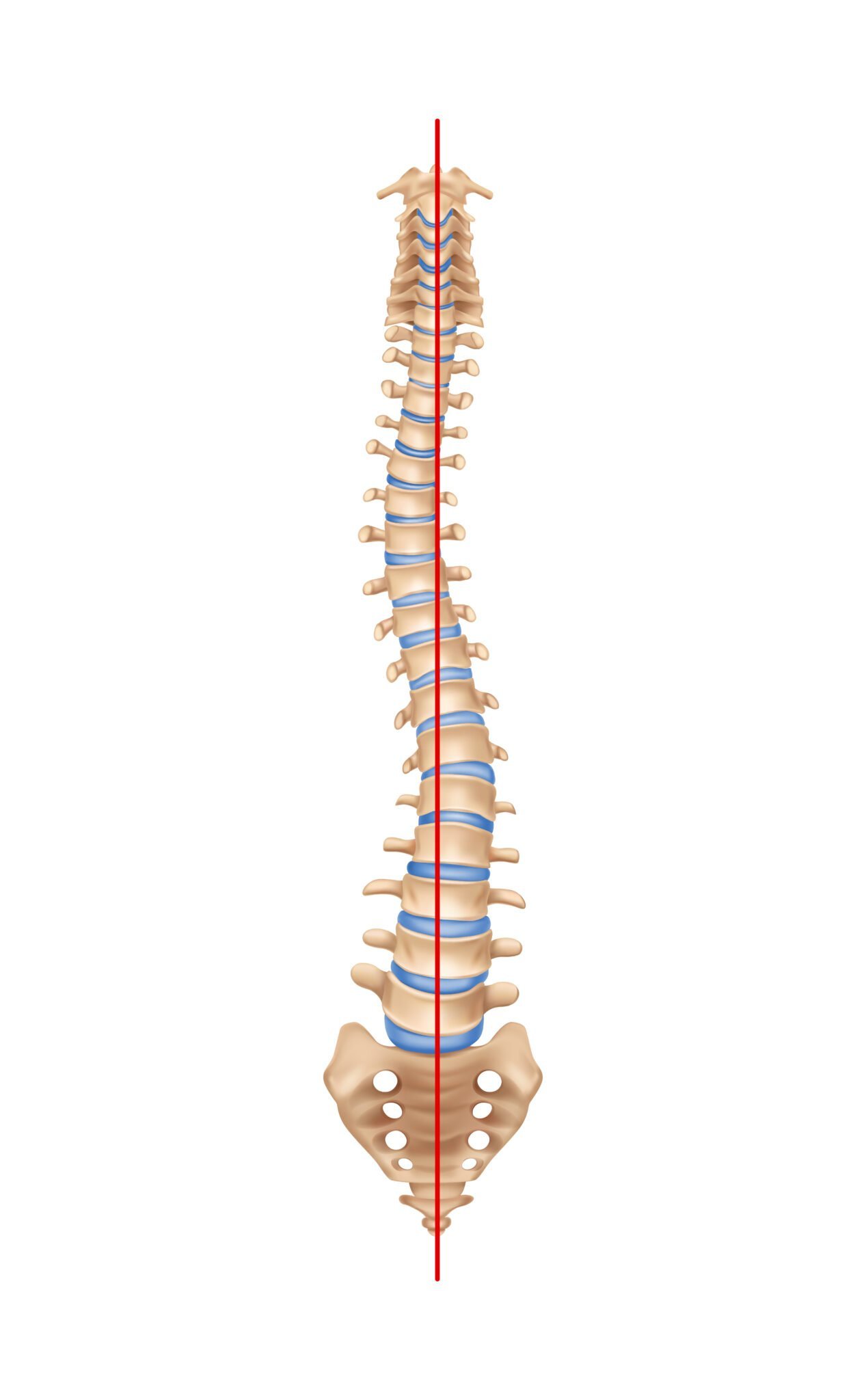
Ankylosing Spondylitis (AS) is a chronic inflammatory disease that primarily affects the spine and sacroiliac joints (joints connecting the spine to the pelvis). Over time, persistent inflammation can lead to stiffness, reduced spinal mobility and, in some patients, fusion of the spinal bones.
Unlike mechanical back pain, Ankylosing Spondylitis typically affects younger individuals and is characterized by inflammatory back pain, which often improves with exercise and worsens with prolonged rest.
Early diagnosis and treatment are important to reduce symptoms, maintain mobility and prevent long-term spinal deformity.
Common Symptoms
Symptoms usually develop gradually over months or years.
Early Symptoms
Persistent low back pain
Buttock pain
Morning stiffness lasting more than 30 minutes
Pain that improves with activity
Pain that worsens after prolonged rest
Night pain, especially in the second half of the night
Progressive Symptoms
Reduced flexibility of the spine
Difficulty bending forward
Stiffness of the neck
Chest wall stiffness
Reduced ability to take deep breaths
Associated Symptoms
Some patients may also develop:
Hip pain
Shoulder pain
Heel pain
Eye inflammation (Uveitis)
Fatigue
Advanced Symptoms
Fixed stooped posture
Kyphotic deformity
Reduced spinal mobility
Significant functional limitations
Causes & Risk Factors
The exact cause of Ankylosing Spondylitis is not fully understood.
It is considered an autoimmune/inflammatory condition in which the body’s immune system causes inflammation around the spine and joints.
Risk Factors
Family history of Ankylosing Spondylitis
Presence of HLA-B27 gene
Male gender
Young age (typically 15–40 years)
Other inflammatory disorders
Not everyone with the HLA-B27 gene develops Ankylosing Spondylitis.
When Should You Seek Medical Advice?
Medical evaluation is recommended if:
Back pain persists for more than 3 months
Morning stiffness is prolonged
Symptoms improve with exercise but worsen with rest
Recurrent buttock pain occurs
Flexibility gradually decreases
Family history of Ankylosing Spondylitis is present
Seek Prompt Medical Attention If:
Significant spinal deformity develops
Neurological symptoms appear
Eye pain, redness or blurred vision occurs
Progressive functional limitation develops
How Is It Diagnosed?
Clinical Examination
Your doctor will evaluate:
Spinal flexibility
Posture
Chest expansion
Sacroiliac joint tenderness
Associated joint involvement
X-Ray
May demonstrate:
Sacroiliitis
Syndesmophytes
Spinal fusion
Bamboo spine appearance (advanced disease)
MRI
MRI is particularly useful in early disease and can detect:
Sacroiliac joint inflammation
Early spinal inflammation
Active disease before X-ray changes appear
CT Scan
Occasionally used for detailed evaluation of structural changes.
Blood Tests
May include:
ESR (Erythrocyte Sedimentation Rate)
CRP (C-Reactive Protein)
HLA-B27 testing
These tests help support the diagnosis but are not diagnostic on their own.
Treatment Options
Non-Surgical Treatment
The primary goal is to control inflammation, maintain mobility and prevent deformity.
Treatment may include:
Regular exercise
Physiotherapy
Posture training
Stretching exercises
Anti-inflammatory medications
Disease-modifying medications
Biologic therapies (in selected patients)
Lifestyle modifications
Daily exercise is one of the most important components of treatment.
Surgical Treatment
Surgery is rarely required for Ankylosing Spondylitis itself.
However, surgery may be considered when:
Severe spinal deformity develops
Spinal fractures occur
Neurological compression develops
Significant disability is present
Possible surgical procedures include:
Corrective Deformity Surgery
Osteotomy Procedures
Spinal Stabilization Surgery
Hip Replacement Surgery (when severe hip involvement occurs)
The choice of surgery depends on the underlying problem and severity.
Frequently Asked Questions
1. What is Ankylosing Spondylitis?
Ankylosing Spondylitis is a chronic inflammatory disease that affects the spine and sacroiliac joints.
2. How is it different from ordinary back pain?
Inflammatory back pain typically improves with activity and worsens with rest, unlike mechanical back pain.
3. What is the HLA-B27 test?
HLA-B27 is a genetic marker that is commonly associated with Ankylosing Spondylitis.
4. Can Ankylosing Spondylitis be cured?
There is currently no cure, but modern treatments can effectively control symptoms and slow disease progression.
5. Is exercise important?
Yes. Regular exercise is one of the most important aspects of long-term management.
6. Can Ankylosing Spondylitis cause spinal fusion?
In advanced cases, inflammation may lead to fusion of spinal segments.
7. Can it affect organs outside the spine?
Yes. Some patients may develop eye inflammation, bowel disease or other systemic manifestations.
8. Is MRI useful?
Yes. MRI is particularly valuable for diagnosing early disease before changes become visible on X-rays.
9. Can women develop Ankylosing Spondylitis?
Yes. Although traditionally considered more common in men, women can also be affected.
10. When should I suspect Ankylosing Spondylitis?
Persistent back pain before the age of 40, morning stiffness and improvement with exercise should raise suspicion.
Related Conditions
Sacroiliitis
Kyphosis
Osteoporosis
Mechanical Low Back Pain (Lumbago)
Spinal Fracture
Scoliosis
When Should You Consult a Spine Specialist?
If you have persistent back pain, prolonged morning stiffness, reduced spinal flexibility or symptoms suggestive of inflammatory back pain, early evaluation is recommended.
Prompt diagnosis and treatment can help maintain mobility, prevent deformity and improve long-term quality of life.
Need Expert Advice?
Book a consultation with Dr. Siddharth Katkade or upload your MRI, X-rays or reports for review through our Patient Resource Centre.
Need Clinical Evaluation?
Consult with Dr. Siddharth Katkade (MBBS, MS, DNB, FASSI Germany/UK) for accurate diagnosis and personalized spine treatment.