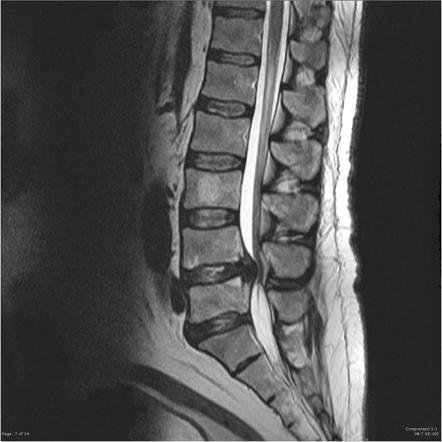
Lumbar Canal Stenosis is a condition in which the spinal canal in the lower back becomes narrowed, resulting in compression of the nerves that travel to the legs. It most commonly occurs due to age-related degeneration of the spine, including disc bulging, thickening of ligaments and enlargement of spinal joints.
Lumbar canal stenosis is a common cause of leg pain, numbness and difficulty walking in older adults. Symptoms often develop gradually over time and may progressively worsen if left untreated.
Common Symptoms
Patients may experience:
Pain in the lower back
Pain radiating into one or both legs
Tingling or numbness in the legs
Heaviness in the legs while walking
Weakness in the legs
Difficulty standing for prolonged periods
Cramping or aching in the calves while walking
Relief of symptoms on sitting or bending forward
A Characteristic Symptom
Many patients report:
“I can walk only a certain distance before my legs become painful, numb or heavy, and I need to sit down for relief.”
This is known as Neurogenic Claudication and is a hallmark symptom of lumbar canal stenosis.
Causes & Risk Factors
Lumbar canal stenosis usually develops due to age-related wear and tear.
Common causes include:
Degenerative disc disease
Disc bulging
Thickening of spinal ligaments
Facet joint arthritis
Spondylolisthesis
Congenital narrow spinal canal
Previous spinal surgery
Risk factors include:
Increasing age
Obesity
Sedentary lifestyle
Repetitive spinal loading
Previous spine injuries
When Should You Seek Medical Advice?
Medical evaluation is recommended if:
Walking distance gradually decreases
Leg pain develops during standing or walking
Numbness or tingling develops in the legs
Symptoms affect daily activities
Weakness develops in the legs
Balance becomes impaired
Symptoms progressively worsen despite treatment
Seek Immediate Medical Attention If:
Sudden weakness develops
Loss of bladder or bowel control occurs
Severe numbness develops around the groin region
These symptoms may indicate severe nerve compression requiring urgent evaluation.
How Is It Diagnosed?
Clinical Examination
A detailed history and neurological examination help assess nerve involvement and walking limitations.
X-Ray
May demonstrate:
Degenerative changes
Spondylolisthesis
Spinal alignment abnormalities
MRI
MRI is the most important investigation and helps identify:
Degree of canal narrowing
Nerve compression
Disc pathology
Associated spinal degeneration
CT Scan
May provide additional information about bony narrowing and spinal anatomy.
Blood Tests
Usually not required unless infection or inflammatory disease is suspected.
Treatment Options
Non-Surgical Treatment
Many patients can be managed without surgery.
Treatment may include:
Activity modification
Physiotherapy
Flexion-based exercises
Core strengthening
Walking programs
Weight management
Medications
Lifestyle modification
The aim is to improve mobility, reduce symptoms and maintain independence.
Surgical Treatment
Surgery may be considered when:
Walking distance becomes significantly limited
Symptoms persist despite adequate treatment
Progressive weakness develops
Quality of life becomes substantially affected
Significant nerve compression is demonstrated on MRI
Common surgical options include:
Lumbar Decompression Surgery
Minimally Invasive Decompression
Endoscopic Decompression
Decompression with Stabilization (when instability is present)
The choice of procedure depends on the severity and underlying cause of stenosis.
Frequently Asked Questions
1. What is Lumbar Canal Stenosis?
It is a narrowing of the spinal canal in the lower back that compresses the nerves travelling to the legs.
2. Why do my legs feel heavy while walking?
Nerve compression reduces the space available for nerves, causing symptoms during standing and walking.
3. Why do symptoms improve when I sit down?
Sitting or bending forward increases the space within the spinal canal and temporarily relieves nerve compression.
4. Is Lumbar Canal Stenosis the same as Sciatica?
Not exactly. Lumbar canal stenosis can cause sciatica-like symptoms, but the underlying mechanism is different.
5. Does every patient need surgery?
No. Many patients improve with non-surgical treatment.
6. Can physiotherapy help?
Yes. Appropriate physiotherapy can improve mobility, strength and walking tolerance.
7. What is Neurogenic Claudication?
It refers to leg pain, numbness or heaviness that develops during walking and improves with rest or sitting.
8. Is Lumbar Canal Stenosis age-related?
Yes. It is most commonly seen in middle-aged and older adults.
9. Can symptoms worsen over time?
Yes. Progressive narrowing may gradually increase symptoms if left untreated.
10. Can minimally invasive surgery be performed?
In selected patients, minimally invasive or endoscopic procedures may be suitable treatment options.
Related Conditions
Sciatica
Slip Disc (Disc Herniation)
Spondylolisthesis
Mechanical Low Back Pain (Lumbago)
Osteoporosis
Spinal Fracture
When Should You Consult a Spine Specialist?
If you experience leg pain, numbness, heaviness while walking, reduced walking distance or symptoms that interfere with your daily activities, consultation with a spine specialist can help determine the cause and guide appropriate treatment.
Early evaluation is particularly important if weakness, balance problems or progressive neurological symptoms develop.
Need Expert Advice?
Book a consultation with Dr. Siddharth Katkade or upload your MRI/report for review through our Patient Resource Centre.
Need Clinical Evaluation?
Consult with Dr. Siddharth Katkade (MBBS, MS, DNB, FASSI Germany/UK) for accurate diagnosis and personalized spine treatment.