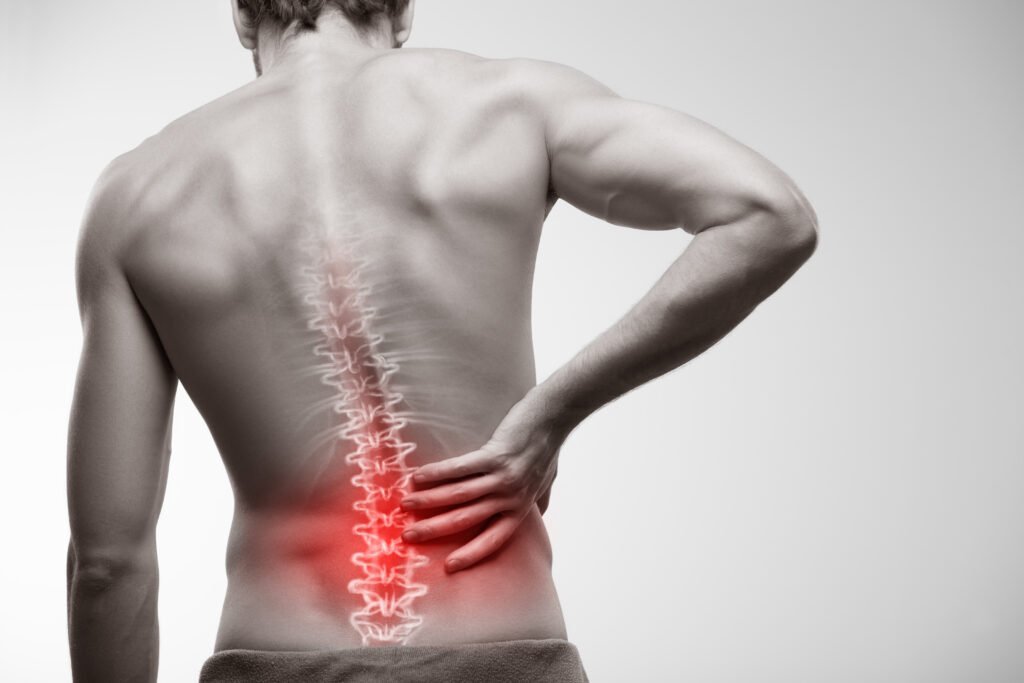
Mechanical Low Back Pain, commonly known as Lumbago, is one of the most frequent causes of back pain. It refers to pain arising from the muscles, ligaments, joints, discs or other structures of the lower back without significant nerve compression or serious underlying disease.
The pain is usually related to posture, daily activities, physical exertion or age-related wear and tear. While it can be quite uncomfortable, most cases improve with appropriate treatment, exercise and lifestyle modifications.
Common Symptoms
Patients may experience:
Pain in the lower back
Stiffness after prolonged sitting or resting
Difficulty bending forward or backward
Pain while getting up from bed or a chair
Muscle tightness or spasm
Pain after lifting heavy objects
Pain that worsens with prolonged standing or sitting
Reduced flexibility of the lower back
Unlike sciatica, the pain usually remains localized to the back and does not typically radiate below the knee.
Causes & Risk Factors
Mechanical low back pain may result from:
Poor posture
Prolonged sitting
Sedentary lifestyle
Weak core muscles
Repetitive bending activities
Improper lifting techniques
Obesity
Physical overexertion
Degenerative changes of the spine
Occupational strain
Risk factors include:
Desk-based jobs
Long-distance driving
Lack of regular exercise
Smoking
Increasing age
Previous episodes of back pain
When Should You Seek Medical Advice?
Medical evaluation is recommended if:
Pain persists for more than 2–4 weeks
Symptoms are progressively worsening
Pain interferes with work or daily activities
Pain radiates into the leg
Tingling or numbness develops
Weakness occurs in the legs
Pain is associated with fever, weight loss or night pain
Symptoms follow a significant injury or fall
How Is It Diagnosed?
Clinical Examination
A detailed history and physical examination help identify the source of pain and rule out more serious conditions.
X-Ray
May be useful in evaluating spinal alignment, degeneration or fractures.
MRI
Recommended when symptoms persist, neurological symptoms develop or a slipped disc is suspected.
CT Scan
Occasionally required when detailed assessment of bony structures is needed.
Blood Tests
May be advised if infection, inflammatory disease or other systemic conditions are suspected.
Treatment Options
Non-Surgical Treatment
Most patients improve with conservative treatment.
Treatment may include:
Activity modification
Physiotherapy
Core strengthening exercises
Stretching exercises
Posture correction
Ergonomic advice
Weight management
Walking and regular physical activity
Short-term medications when required
Maintaining activity and avoiding prolonged bed rest are generally encouraged.
Surgical Treatment
Surgery is not required for uncomplicated mechanical low back pain.
If investigations reveal conditions such as a slip disc, spinal instability, lumbar canal stenosis or nerve compression, specific treatment may be required based on the diagnosis.
Frequently Asked Questions
1. What is the difference between lumbago and a slip disc?
Lumbago refers to mechanical low back pain arising from muscles, ligaments, joints or discs, whereas a slip disc involves displacement of disc material that may compress nearby nerves.
2. Is bed rest recommended?
Prolonged bed rest is generally discouraged. Gentle activity and walking often aid recovery.
3. Can sitting for long hours cause back pain?
Yes. Prolonged sitting, especially with poor posture, is a common cause of mechanical back pain.
MRI is usually considered when symptoms persist, recur frequently or are associated with leg pain, numbness or weakness.
6. Can exercise worsen my pain?
Appropriate exercises usually help recovery. However, incorrect exercises may aggravate symptoms and should be performed under guidance.
7. Can low back pain recur?
Yes. Without addressing posture, ergonomics and muscle conditioning, recurrence is common.
8. Is walking good for low back pain?
In most cases, regular walking is one of the safest and most beneficial activities.
9. Can obesity contribute to back pain?
Yes. Excess body weight increases stress on the spine and may contribute to chronic back pain.
10. Does every patient with low back pain need surgery?
No. The vast majority of patients improve without surgery.
Related Conditions
Back Sprain / Lumbar Strain
Slip Disc
Sciatica
Lumbar Canal Stenosis
Spondylolisthesis
Sacroiliitis
Osteoporosis
When Should You Consult a Spine Specialist?
If your back pain is persistent, recurrent, affecting your quality of life, or associated with leg symptoms, weakness or difficulty performing daily activities, a consultation with a spine specialist can help determine the underlying cause and guide appropriate treatment.
Need Expert Advice?
Book a consultation with Dr. Siddharth Katkade or upload your MRI/report for review through our Patient Resource Centre.
Need Clinical Evaluation?
Consult with Dr. Siddharth Katkade (MBBS, MS, DNB, FASSI Germany/UK) for accurate diagnosis and personalized spine treatment.