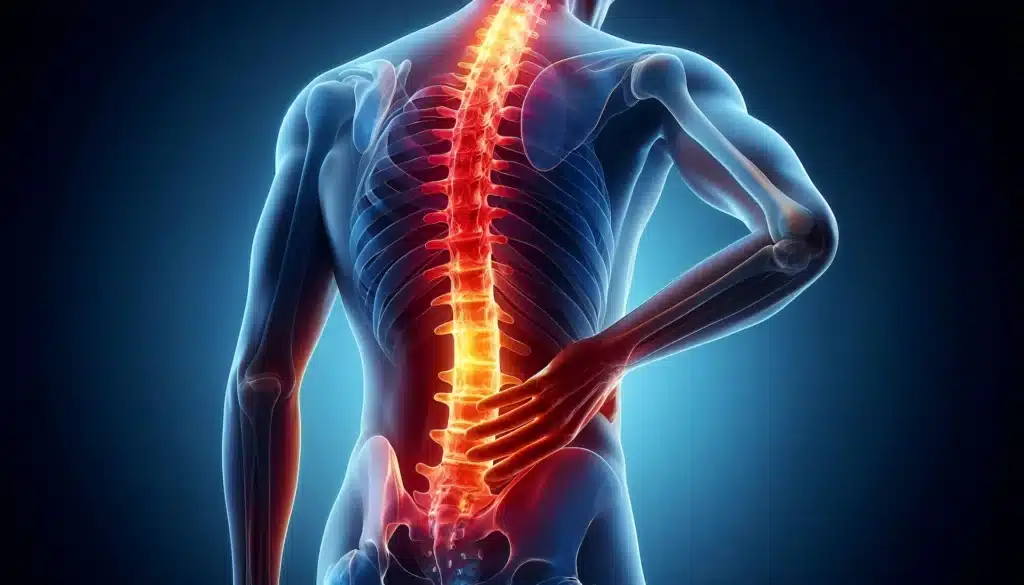
Surgery for Traumatic, Osteoporotic and Unstable Spinal Fractures
What Is This Surgery?
Fracture Fixation Surgery is performed to stabilize fractured vertebrae and restore spinal alignment following trauma, osteoporosis, pathological fractures or spinal instability.
Depending on the type and severity of the fracture, the procedure may be performed using:
Open Spine Surgery
Minimally Invasive Spine Surgery (MIS)
Hybrid Techniques
The goal of the surgery is to:
Stabilize the fractured spine
Protect the spinal cord and nerves
Correct deformity
Restore spinal alignment
Relieve pain
Enable early mobilization
Prevent further neurological deterioration
Specialized spinal implants such as pedicle screws, rods and occasionally cages are used to provide immediate stability while the fracture heals.
Why Is This Surgery Performed?
This surgery may be recommended for:
Traumatic Spinal Fractures
Burst Fractures
Compression Fractures with Instability
Fracture Dislocations
Osteoporotic Fractures with Instability
Pathological Fractures
Neurological Deficits due to Fracture
Progressive Spinal Deformity after Fracture
Common symptoms that may lead to surgery include:
Severe back pain
Difficulty standing or walking
Progressive spinal deformity
Leg weakness
Numbness
Loss of balance
Spinal instability
Bowel or bladder dysfunction
Neurological deficits following trauma
Who Is A Suitable Candidate?
You may be a suitable candidate if:
✓ Imaging confirms an unstable spinal fracture
✓ There is significant vertebral collapse
✓ Neurological symptoms are present
✓ Spinal alignment is compromised
✓ Conservative treatment is unlikely to provide adequate stability
✓ Progressive deformity is developing
✓ Early mobilization is important
✓ Quality of life is significantly affected
How Is The Surgery Performed?
Step 1
The procedure is performed under general anesthesia.
Step 2
The patient is positioned according to the location of the fracture.
Step 3
Depending on the fracture pattern, the surgery may be performed through minimally invasive or open techniques.
Step 4
Pedicle screws are inserted into the vertebrae above and below the fracture.
Step 5
Rods are connected to restore alignment and stabilize the spine.
Step 6
If the spinal cord or nerves are compressed, decompression may be performed.
Step 7
In selected cases, vertebral body reconstruction or cage placement may be required.
Step 8
Bone grafting may be performed to facilitate long-term fusion.
Step 9
The wounds are closed and sterile dressings are applied.
The duration of surgery depends on fracture complexity and the number of spinal levels involved.
What Are The Advantages?
Potential benefits include:
Immediate spinal stability
Protection of the spinal cord and nerves
Early mobilization
Improved pain control
Restoration of spinal alignment
Prevention of progressive deformity
Faster rehabilitation
Reduced risk of prolonged bed rest complications
Improved functional recovery
Better quality of life
For suitable fractures, minimally invasive techniques may further reduce tissue damage and recovery time.
What Are The Risks?
Every surgical procedure carries certain theoretical risks and potential complications. However, every effort is made to minimise these risks through meticulous surgical planning, advanced technology and comprehensive patient optimisation.
At Bombay Spine Clinic™, Fracture Fixation Surgery is performed using modern spinal instrumentation systems, advanced imaging guidance and minimally invasive techniques whenever appropriate. These technologies allow accurate implant placement and fracture stabilization while minimizing disruption to surrounding tissues.
In addition, every patient undergoes a thorough pre-operative assessment. Depending on individual health requirements, this may involve evaluation and optimisation by physicians, cardiologists, anaesthetists and other medical specialists. This multidisciplinary approach helps improve surgical safety, recovery and overall outcomes.
Potential risks that are discussed with patients include:
Infection
Bleeding
Nerve injury
Dural tear (CSF leak)
Implant-related complications
Screw loosening or failure
Failure of fusion
Persistent pain
Adjacent segment degeneration
Medical complications associated with trauma or major surgery
Rare need for revision surgery
Fortunately, the incidence of significant complications is low when surgery is performed for appropriate indications using modern spinal techniques.
Preparing For Surgery
Before surgery:
Clinical evaluation
MRI review
CT scan review
X-rays
Blood investigations
Medical fitness assessment
Medication review
Anaesthesia assessment
Patients should inform their doctor regarding:
Blood thinning medications
Osteoporosis
Diabetes
Heart disease
Previous surgeries
Allergies
Smoking history
Smoking cessation is strongly encouraged as it improves fracture healing and fusion rates.
What Happens During Hospital Stay?
Day of Surgery
Hospital admission
Surgery
Recovery room observation
Pain management
Initial mobilization planning
First 24–72 Hours
Assisted walking
Physiotherapy guidance
Wound care
Functional rehabilitation
Discharge
Most patients are discharged within:
3–7 days
depending on fracture severity, associated injuries and overall recovery.
Recovery After Surgery
Week 1
Expected symptoms:
Surgical site discomfort
Improvement in fracture-related pain
Walking encouraged under supervision
Gradual increase in mobility
Weeks 2–6
Progressive walking programme
Physiotherapy
Follow-up consultations
Return to basic daily activities
6 Weeks–3 Months
Continued fracture healing
Strengthening exercises
Improved mobility and endurance
Long-Term Recovery
Fracture healing continues over several months. Most patients experience substantial improvement in pain, mobility and independence.
Maintaining bone health, muscle strength and spinal fitness contributes to long-term success.
Frequently Asked Questions
1. Why do I need this surgery?
Because your spinal fracture is unstable, causing pain, deformity or neurological symptoms that require stabilization.
2. Are there alternatives to surgery?
Some stable fractures can be treated with bracing, medications and observation. Surgery is usually recommended for unstable fractures, neurological deficits or progressive deformity.
3. Will I have a large scar?
The size of the incision depends on the fracture type and surgical approach. Many patients are candidates for minimally invasive techniques with smaller incisions.
4. How long will I stay in hospital?
Most patients remain in hospital for approximately 3–7 days, depending on the complexity of the fracture and recovery.
5. When can I start walking after surgery?
Most patients are encouraged to begin walking within 24–48 hours under supervision.
6. When can I start outdoor walking?
Outdoor walking is generally started after approximately 1–2 weeks depending on comfort and recovery.
7. When can I travel after surgery?
Short local travel is usually possible after 2–3 weeks. Long-distance travel is generally recommended after 6–8 weeks, depending on fracture healing.
8. When can I return to work?
Typical timelines are:
Work From Home (WFH): Approximately 3–4 weeks
Office-Based Work: Approximately 6–8 weeks
Light Physical Work: Approximately 8–12 weeks
Heavy Manual Labour: Approximately 3–6 months
9. When can I drive, exercise, dance or resume sports?
Driving is generally permitted after 4–6 weeks.
Sports, gym workouts, dancing and high-impact activities are typically resumed after 3–6 months depending on fracture healing and your surgeon’s advice.
10. What is the success rate of Fracture Fixation Surgery?
When performed for appropriate indications, Fracture Fixation Surgery has a high success rate in restoring spinal stability, relieving pain and facilitating fracture healing.
Most patients experience significant improvement in mobility and quality of life.
11. Will the screws and rods remain permanently?
In most cases, spinal implants remain permanently and do not require removal. Implant removal is only considered in selected situations if clinically indicated.
Myth vs Fact
Myth:
A spinal fracture always causes paralysis.
Fact:
Many spinal fractures do not cause paralysis. Early diagnosis and appropriate treatment help protect neurological function and improve outcomes.
Myth:
Spinal fractures always require prolonged bed rest.
Fact:
Modern fixation techniques allow many patients to mobilize early, reducing complications associated with prolonged immobilization.
If you have sustained a spinal fracture or have been advised spine surgery after trauma, you may schedule a consultation or upload your MRI, CT scan or X-rays for specialist review.
Dr. Siddharth KatkadeConsultant Spine Surgeon
Bombay Spine Clinic™
Need Clinical Evaluation?
Consult with Dr. Siddharth Katkade (MBBS, MS, DNB, FASSI Germany/UK) for accurate diagnosis and personalized spine treatment.