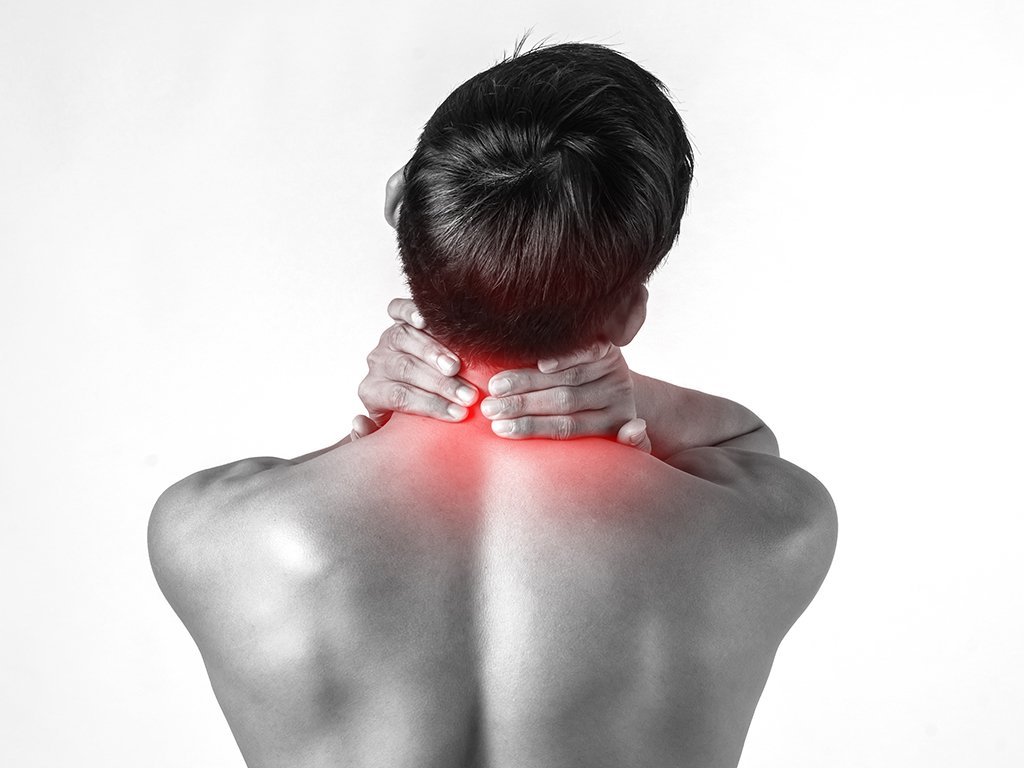
Trapezitis refers to pain, inflammation or muscle spasm involving the trapezius muscle, a large muscle extending from the back of the head and neck to the shoulders and upper back. It is one of the most common causes of neck, shoulder and upper back discomfort, particularly among individuals who spend long hours working on computers, using mobile phones or maintaining poor posture.
Although commonly referred to as “Trapezitis,” the condition is often related to muscle strain, overuse, postural imbalance or myofascial pain rather than true inflammation.
Common Symptoms
Patients may experience:
Pain in the neck and shoulder region
Tightness or stiffness in the upper back
Pain between the neck and shoulder blade
Tender spots or muscle knots
Difficulty turning the neck
Pain after prolonged desk work
Headaches originating from the neck or shoulder region
Feeling of heaviness around the shoulders
Pain that worsens towards the end of the day
Symptoms are often aggravated by prolonged sitting, computer work or mobile phone use.
Causes & Risk Factors
Common causes include:
Poor posture
Prolonged computer or laptop use
Excessive mobile phone use (“Text Neck”)
Stress-related muscle tension
Long working hours at a desk
Inadequate workstation ergonomics
Sleeping in an awkward position
Carrying heavy bags on one shoulder
Lack of regular exercise
Risk factors include:
Office-based occupations
Students
Drivers
Frequent travellers
Sedentary lifestyle
Anxiety and stress
When Should You Seek Medical Advice?
Medical evaluation is recommended if:
Symptoms persist despite rest and medications
Pain is severe or progressively worsening
Pain radiates into the arm
Numbness or tingling develops
Weakness occurs in the arm or hand
Symptoms interfere with work or sleep
Neck pain is associated with balance problems or hand clumsiness
Persistent symptoms may occasionally indicate an underlying cervical spine disorder requiring further evaluation.
How Is It Diagnosed?
Clinical Examination
Diagnosis is primarily based on a detailed history and physical examination. The doctor evaluates posture, neck movements, muscle tenderness and associated neurological symptoms.
X-Ray
May be advised if underlying cervical spondylosis or structural abnormalities are suspected.
MRI
Recommended when symptoms suggest cervical disc disease, nerve compression or spinal cord involvement.
CT Scan
Rarely required unless detailed evaluation of spinal structures is needed.
Blood Tests
Occasionally advised when inflammatory or systemic conditions are suspected.
Treatment Options
Non-Surgical Treatment
Most patients improve with conservative treatment.
Treatment may include:
Activity modification
Posture correction
Ergonomic workplace adjustments
Physiotherapy
Stretching exercises
Strengthening exercises
Heat therapy
Stress management
Short-term medications when required
Regular exercise and correcting postural habits are essential to prevent recurrence.
Surgical Treatment
Surgery is not required for Trapezitis.
If symptoms are due to an underlying cervical spine condition such as cervical spondylosis, slipped disc or nerve compression, treatment will be directed towards the underlying cause.
Frequently Asked Questions
1. Is Trapezitis a serious condition?
In most cases, it is a benign muscular condition that improves with appropriate treatment and posture correction.
2. Can mobile phone use cause Trapezitis?
Yes. Prolonged forward bending of the neck while using a mobile phone is a common cause.
3. Why does my pain worsen towards evening?
Muscle fatigue and prolonged postural strain throughout the day often cause symptoms to worsen later in the day.
4. Can physiotherapy help?
Yes. Physiotherapy plays an important role in relieving pain, improving posture and preventing recurrence.
5. Is Trapezitis the same as cervical spondylosis?
No. Trapezitis primarily affects the muscles, whereas cervical spondylosis involves age-related changes in the cervical spine.
6. Can stress contribute to Trapezitis?
Yes. Emotional stress often leads to increased muscle tension around the neck and shoulders.
7. Do I need an MRI?
Not always. MRI is usually reserved for persistent symptoms or when nerve-related symptoms are present.
8. Can Trapezitis recur?
Yes. Without addressing posture, ergonomics and muscle conditioning, symptoms may return.
Related Conditions
Neck Sprain / Cervical Strain
Cervical Spondylosis
Slip Disc (Cervical Disc Herniation)
Myelopathy
Shoulder Pain
Postural Neck Pain
When Should You Consult a Spine Specialist?
If your neck or shoulder pain is persistent, recurrent, associated with arm symptoms, or affecting your daily activities and work performance, a consultation with a spine specialist can help identify the underlying cause and guide appropriate treatment.
Need Expert Advice?
Book a consultation with Dr. Siddharth Katkade or upload your MRI/report for review through our Patient Resource Centre.
Need Clinical Evaluation?
Consult with Dr. Siddharth Katkade (MBBS, MS, DNB, FASSI Germany/UK) for accurate diagnosis and personalized spine treatment.