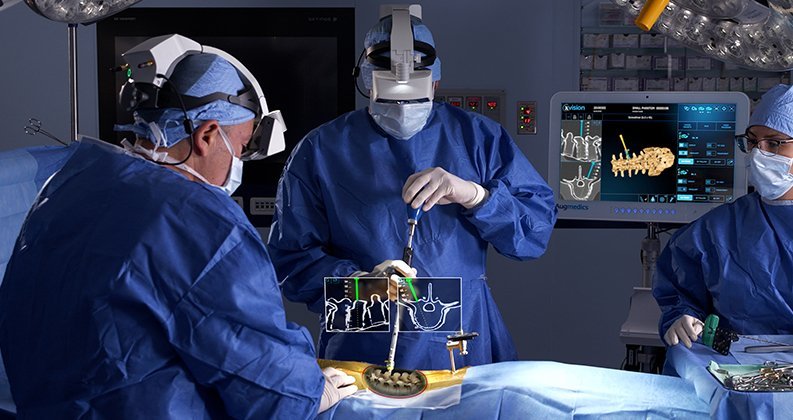
A Spinal Tumor is an abnormal growth of tissue occurring within or around the spine. Spinal tumors may arise from the vertebral bones, spinal cord, nerve roots or surrounding soft tissues.
Spinal tumors can be classified as:
Benign Tumors
Non-cancerous tumors that generally grow slowly and do not spread to other parts of the body.
Examples include:
Osteoid Osteoma
Osteoblastoma
Schwannoma
Meningioma
Hemangioma
Malignant Tumors
Cancerous tumors that may grow aggressively and potentially spread to other parts of the body.
Examples include:
Multiple Myeloma
Lymphoma
Chordoma
Primary Bone Tumors
Metastatic Spine Tumors
Metastatic Tumors
The most common spinal tumors in adults are metastatic tumors, where cancer spreads to the spine from another organ such as:
Breast
Lung
Prostate
Kidney
Thyroid
Early diagnosis is important because spinal tumors may cause spinal instability, fractures and neurological deficits.
Common Symptoms
Symptoms depend on the tumor type, location and extent of involvement.
Pain Symptoms
Persistent back pain
Neck pain
Pain that progressively worsens
Night pain
Pain at rest
Pain not responding to routine treatment
Neurological Symptoms
If nerves or the spinal cord become compressed:
Tingling or numbness
Weakness in the arms or legs
Difficulty walking
Loss of balance
Hand clumsiness
Bladder or bowel dysfunction
Constitutional Symptoms
Some patients may experience:
Unexplained weight loss
Fatigue
Loss of appetite
Generalized weakness
Structural Symptoms
Pathological spinal fractures
Spinal deformity
Height loss
Spinal instability
Causes & Risk Factors
Primary Spinal Tumors
These originate within the spine itself.
Examples include:
Osteoid Osteoma
Osteoblastoma
Giant Cell Tumor
Chordoma
Ewing Sarcoma
Metastatic Tumors
Cancer spread from another part of the body is the most common cause of spinal tumors in adults.
Risk Factors
Previous history of cancer
Increasing age
Family history of certain cancers
Genetic syndromes
Smoking
Exposure to radiation
Many patients with metastatic spinal tumors already have a known cancer diagnosis, although spinal symptoms may occasionally be the first presentation.
When Should You Seek Medical Advice?
Medical evaluation is recommended if:
Back pain persists for several weeks
Pain worsens progressively
Night pain is present
Pain occurs even at rest
Unexplained weight loss develops
Weakness develops
Walking becomes difficult
Previous cancer history is present
Seek Immediate Medical Attention If:
Progressive weakness develops
Difficulty walking occurs
Bladder or bowel symptoms develop
Severe neurological symptoms appear
These may indicate spinal cord compression requiring urgent treatment.
How Is It Diagnosed?
Clinical Examination
Your doctor will evaluate:
Pain characteristics
Neurological function
Spinal stability
Signs of systemic disease
X-Ray
May reveal:
Bone destruction
Vertebral collapse
Pathological fractures
Spinal deformity
MRI
MRI is the most important imaging investigation.
It helps assess:
Tumor location
Extent of disease
Nerve compression
Spinal cord compression
Soft tissue involvement
CT Scan
Useful for:
Detailed bone evaluation
Surgical planning
Biopsy guidance
PET-CT Scan
May be recommended when:
Cancer spread is suspected
Staging is required
Multiple lesions need evaluation
Blood Tests
May include:
Complete blood count
Inflammatory markers
Tumor markers
Myeloma screening tests
Biopsy
A biopsy is often necessary to:
Confirm diagnosis
Determine tumor type
Guide treatment planning
Treatment Options
Non-Surgical Treatment
Treatment depends on the tumor type.
Management may include:
Observation (for selected benign tumors)
Pain management
Chemotherapy
Targeted therapy
Immunotherapy
Radiation therapy
Bisphosphonate therapy
Rehabilitation
Treatment is often coordinated by a multidisciplinary team including spine surgeons, oncologists and radiation specialists.
Surgical Treatment
Surgery may be considered when:
Spinal cord compression is present
Neurological deficits develop
Spinal instability occurs
Pathological fractures develop
Tissue diagnosis is required
Significant pain persists
Common procedures include:
Tumor Biopsy
To establish diagnosis.
Decompression Surgery
To relieve pressure on nerves or the spinal cord.
Spinal Stabilization Surgery
To restore spinal stability.
Tumor Excision
Removal of benign or selected malignant tumors.
Reconstruction Surgery
Performed when extensive vertebral involvement is present.
The surgical approach depends on the tumor type, location and overall patient health.
Frequently Asked Questions
1. What is a Spinal Tumor?
A spinal tumor is an abnormal growth occurring within or around the spine.
2. Are all spinal tumors cancerous?
No. Many spinal tumors are benign and non-cancerous.
3. What is the most common spinal tumor in adults?
Metastatic tumors (cancer spread from another organ) are the most common.
4. Can spinal tumors cause back pain?
Yes. Persistent, progressive back pain is one of the most common symptoms.
5. Why is night pain concerning?
Pain that worsens at night or occurs at rest may indicate a serious underlying condition requiring evaluation.
6. Is MRI necessary?
MRI is usually the most important investigation for assessing spinal tumors.
7. Will I need a biopsy?
Many patients require a biopsy to confirm the diagnosis and guide treatment.
8. Can spinal tumors cause paralysis?
If spinal cord compression occurs, neurological deficits including paralysis may develop.
9. Is surgery always necessary?
No. Treatment depends on the tumor type, symptoms and overall condition of the patient.
10. Can spinal tumors be treated successfully?
Many benign tumors and selected malignant tumors can be treated effectively, especially when diagnosed early.
Related Conditions
Spinal Tuberculosis (TB Spine)
Spinal Infection
Spinal Fracture
Myelopathy
Osteoporosis
Kyphosis
When Should You Consult a Spine Specialist?
If you have persistent back pain, night pain, unexplained weight loss, progressive neurological symptoms, a history of cancer or concerns regarding a spinal lesion identified on imaging, prompt specialist evaluation is recommended.
Early diagnosis and timely treatment can help preserve neurological function, maintain spinal stability and improve overall outcomes.
Need Expert Advice?
Book a consultation with Dr. Siddharth Katkade or upload your MRI, CT scan, PET-CT or reports for review through our Patient Resource Centre.
Need Clinical Evaluation?
Consult with Dr. Siddharth Katkade (MBBS, MS, DNB, FASSI Germany/UK) for accurate diagnosis and personalized spine treatment.