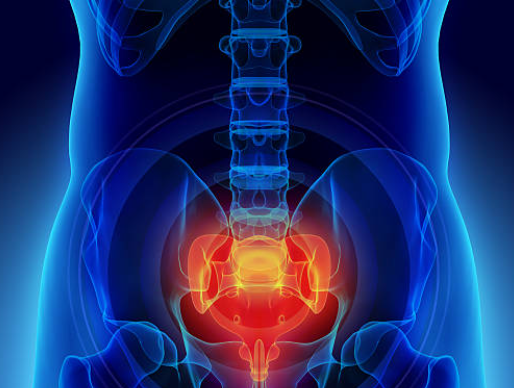
Coccydynia refers to pain arising from the coccyx, commonly known as the tailbone. The coccyx is the small triangular bone located at the very bottom of the spine and serves as an attachment point for several muscles, ligaments and pelvic floor structures.
Patients with coccydynia typically experience pain while sitting, especially on hard surfaces. Although often benign, the condition can significantly affect daily activities, travel and work if left untreated.
Common Symptoms
Patients may experience:
Pain over the tailbone region
Pain while sitting, especially on hard surfaces
Pain when rising from a sitting position
Discomfort during prolonged sitting
Localized tenderness over the tailbone
Pain during long-distance travel
Pain while leaning backward in a chair
Occasionally pain during bowel movements
Most patients can accurately point to the site of pain with a single finger.
Causes & Risk Factors
Common causes include:
Trauma
Fall onto the buttocks
Direct injury to the tailbone
Sports-related injuries
Childbirth
Difficult vaginal deliveries may occasionally result in coccygeal injury or instability.
Repetitive Microtrauma
Long hours of sitting
Cycling
Repetitive pressure over the tailbone
Degenerative Changes
Age-related degeneration of the coccygeal joints may contribute to symptoms.
Obesity or Rapid Weight Loss
Both may alter pressure distribution over the coccyx.
Idiopathic Coccydynia
In some patients, no specific cause is identified.
When Should You Seek Medical Advice?
Medical evaluation is recommended if:
Tailbone pain persists for more than a few weeks
Pain interferes with sitting or daily activities
Symptoms are progressively worsening
Pain follows a significant fall or injury
Associated swelling develops
Pain is associated with fever or weight loss
Persistent symptoms may occasionally indicate infection, fracture or rarely a tumor requiring further evaluation.
How Is It Diagnosed?
Clinical Examination
Diagnosis is usually based on a detailed history and physical examination.
The doctor evaluates:
Site of tenderness
Coccygeal mobility
Associated pelvic or lumbar spine pathology
X-Ray
May identify:
Coccygeal fracture
Abnormal coccygeal alignment
Coccygeal instability
Dynamic sitting and standing X-rays may occasionally be helpful.
MRI
MRI may be advised when:
Symptoms persist
Infection is suspected
Tumor needs to be ruled out
Other spinal conditions are considered
CT Scan
Occasionally required for detailed assessment of fractures.
Blood Tests
May be advised if infection or inflammatory disease is suspected.
Treatment Options
Non-Surgical Treatment
Most patients improve without surgery.
Treatment may include:
Activity modification
Avoiding prolonged sitting
Special coccyx cushions (Donut or U-shaped cushions)
Physiotherapy
Pelvic floor rehabilitation
Stretching exercises
Posture correction
Medications when required
Lifestyle modifications often play a significant role in symptom improvement.
In selected cases, removal of the coccyx (Coccygectomy) may be considered.
This is generally reserved for carefully selected patients after exhaustive non-surgical treatment.
Frequently Asked Questions
1. What is Coccydynia?
Coccydynia refers to pain arising from the tailbone (coccyx).
2. Why does my tailbone hurt when I sit?
Pressure on an injured or inflamed coccyx often worsens symptoms while sitting.
3. Can a fall cause tailbone pain?
Yes. Direct trauma is one of the most common causes of coccydynia.
4. Can childbirth cause Coccydynia?
Yes. Tailbone injury or strain may occasionally occur during childbirth.
5. Is an MRI always necessary?
No. Most cases can be diagnosed clinically and with X-rays. MRI is usually reserved for persistent or atypical symptoms.
6. What type of cushion should I use?
Special coccyx relief cushions designed to reduce pressure on the tailbone may be helpful.
7. Can physiotherapy help?
Yes. Physiotherapy and posture modification often play an important role in treatment.
8. Does every patient need surgery?
No. Surgery is rarely required.
9. How long does recovery take?
Many patients improve within weeks to months depending on the underlying cause.
10. Can tailbone pain be a sign of something serious?
Most cases are benign, but persistent pain, unexplained weight loss or associated neurological symptoms warrant medical evaluation.
Related Conditions
Mechanical Low Back Pain (Lumbago)
Sacroiliitis
Osteoporosis
Spinal Fracture
Lumbar Canal Stenosis
When Should You Consult a Spine Specialist?
If tailbone pain persists despite treatment, interferes with sitting, work or daily activities, or follows a significant injury, consultation with a spine specialist can help identify the underlying cause and guide appropriate treatment.
Need Expert Advice?
Book a consultation with Dr. Siddharth Katkade or upload your MRI/report for review through our Patient Resource Centre.
Need Clinical Evaluation?
Consult with Dr. Siddharth Katkade (MBBS, MS, DNB, FASSI Germany/UK) for accurate diagnosis and personalized spine treatment.