Surgery for Spinal Curvature and Deformity Correction
What Is This Surgery?
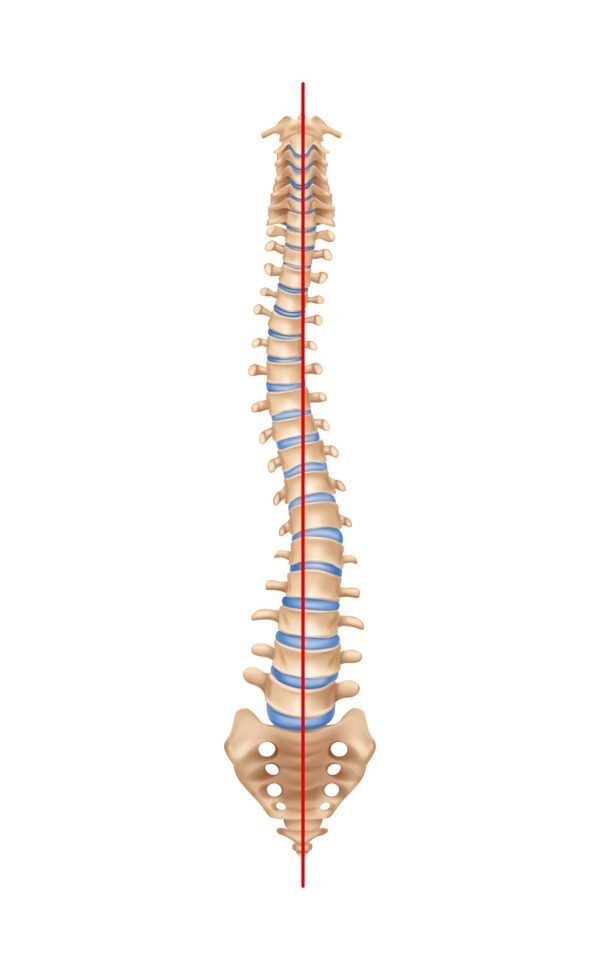
Scoliosis Surgery is performed to correct abnormal sideways curvature of the spine and restore spinal balance.
Scoliosis is a three-dimensional deformity of the spine in which the vertebrae curve sideways and may also rotate. While mild curves can often be managed with observation or bracing, larger curves may continue to progress and can lead to cosmetic concerns, pain, imbalance and, in severe cases, breathing difficulties.
The goals of surgery are to:
Correct spinal deformity
Prevent progression of the curve
Restore spinal balance
Improve posture and appearance
Relieve pain when present
Protect neurological function
Improve quality of life
The procedure typically involves the use of specialized spinal implants such as pedicle screws, rods and bone grafts to gradually correct and stabilize the spine.
Scoliosis Surgery is one of the most advanced forms of spinal deformity correction and requires detailed pre-operative planning and specialized expertise.
Why Is This Surgery Performed?
This surgery may be recommended for:
Adolescent Idiopathic Scoliosis
Adult Degenerative Scoliosis
Congenital Scoliosis
Neuromuscular Scoliosis
Progressive Spinal Curvature
Severe Cosmetic Deformity
Coronal Imbalance
Truncal Shift
Painful Adult Scoliosis
Common symptoms that may lead to surgery include:
Visible spinal curvature
Uneven shoulders
Rib prominence
Waist asymmetry
Back pain
Poor posture
Difficulty standing for long periods
Progressive deformity
Loss of balance
In severe cases:
Shortness of breath
Reduced exercise tolerance
Functional limitations
Who Is A Suitable Candidate?
You may be a suitable candidate if:
✓ The spinal curve is progressing
✓ Significant spinal deformity is present
✓ Bracing has failed to control curve progression
✓ Cosmetic concerns are substantial
✓ Pain is affecting quality of life
✓ Significant imbalance has developed
✓ Adult scoliosis is causing nerve compression or disability
✓ Surgery is expected to improve function and long-term spinal health
How Is The Surgery Performed?
Step 1
The procedure is performed under general anesthesia.
Step 2
The patient is positioned on a specialized spinal surgery table.
Step 3
Advanced imaging and neuromonitoring systems are used throughout the procedure to improve safety.
Step 4
Pedicle screws are inserted into selected vertebrae along the curve.
Step 5
Specialized rods are attached to the screws.
Step 6
The spinal curve is gradually corrected using modern deformity correction techniques.
Step 7
Spinal balance and alignment are carefully assessed.
Step 8
Bone grafts are placed to achieve long-term spinal fusion.
Step 9
The wound is closed and sterile dressings are applied.
The duration of surgery depends on the severity of the curve and the number of vertebral levels requiring correction.
What Are The Advantages?
Potential benefits include:
Correction of spinal deformity
Prevention of further curve progression
Improved posture
Improved spinal balance
Better cosmetic appearance
Improved self-confidence
Reduced pain
Improved walking endurance
Better quality of life
Long-term spinal stability
In appropriately selected patients, scoliosis surgery can provide life-changing improvements in posture, confidence and function.
What Are The Risks?
Every surgical procedure carries certain theoretical risks and potential complications. However, every effort is made to minimise these risks through meticulous surgical planning, advanced technology and comprehensive patient optimisation.
At Bombay Spine Clinic™, Scoliosis Surgery is performed using modern deformity correction systems, advanced spinal instrumentation, intraoperative imaging and neuromonitoring technology. These tools help maximize correction while protecting the spinal cord and nerves throughout the procedure.
In addition, every patient undergoes a detailed pre-operative assessment. Depending on individual health requirements, this may involve evaluation and optimisation by physicians, cardiologists, anaesthetists, pulmonologists and other specialists. This multidisciplinary approach helps improve surgical safety and overall outcomes.
Potential risks that are discussed with patients include:
Infection
Bleeding
Dural tear (CSF leak)
Nerve injury
Spinal cord injury
Implant-related complications
Loss of correction
Failure of fusion
Adjacent segment degeneration
Persistent pain
Rare need for revision surgery
Fortunately, modern technology, neuromonitoring and careful surgical planning have significantly improved the safety of scoliosis surgery.
Preparing For Surgery
Before surgery:
Clinical evaluation
Standing scoliosis X-rays
MRI scan (when indicated)
CT scan (if required)
Blood investigations
Medical fitness assessment
Pulmonary evaluation (if required)
Anaesthesia assessment
Patients should inform their doctor regarding:
Previous spinal surgery
Heart disease
Respiratory disorders
Bleeding disorders
Allergies
Current medications
What Happens During Hospital Stay?
Day of Surgery
Hospital admission
Surgery
Recovery room observation
Pain management
Neurological monitoring
First 24–72 Hours
Assisted mobilization
Physiotherapy guidance
Breathing exercises
Wound care
Functional rehabilitation
Discharge
Most patients are discharged within:
4–7 days
depending on the complexity of surgery and recovery.
Recovery After Surgery
Week 1
Expected symptoms:
Surgical site discomfort
Improved posture
Walking encouraged under supervision
Gradual increase in mobility
Weeks 2–6
Progressive walking programme
Return to routine daily activities
Follow-up consultations
Improvement in stamina
6 Weeks–3 Months
Continued rehabilitation
Strengthening exercises
Improvement in confidence and function
Long-Term Recovery
Fusion continues over several months.
Most patients experience substantial improvement in posture, balance, appearance and quality of life.
Regular exercise, good posture habits and follow-up visits contribute to long-term success.
Frequently Asked Questions
1. Why do I need scoliosis surgery?
Because your spinal curvature is progressing, causing significant deformity, imbalance, pain or functional limitations that may worsen over time.
2. Are there alternatives to surgery?
Yes. Observation, physiotherapy and bracing may be appropriate for selected patients. Surgery is usually considered when the curve is large, progressive or causing significant problems.
3. Will I have a large scar?
The incision length depends on the size and location of the curve. Your surgeon will discuss the planned approach and scar placement in detail.
4. How long will I stay in hospital?
Most patients remain in hospital for approximately 4–7 days.
5. When can I start walking after surgery?
Most patients begin assisted walking within 24–48 hours after surgery.
6. When can I start outdoor walking?
Outdoor walking is generally started after approximately 1–2 weeks depending on recovery.
7. When can I travel after surgery?
Short local travel is usually possible after approximately 2–3 weeks. Long-distance travel is generally recommended after 6–8 weeks.
8. When can I return to work or school?
Typical timelines are:
School or College: Approximately 4–6 weeks
Work From Home (WFH): Approximately 3–4 weeks
Office-Based Work: Approximately 6–8 weeks
Physical Work: Approximately 3–6 months
9. When can I drive, exercise, dance or resume sports?
Driving is generally permitted after 6 weeks.
Sports, dancing, gym workouts and high-impact activities are usually resumed after 4–6 months depending on recovery and fusion progress.
10. What is the success rate of Scoliosis Surgery?
When performed for appropriate indications, scoliosis surgery has a high success rate in correcting spinal deformity, preventing curve progression and improving quality of life.
Most patients experience significant improvement in posture, balance, confidence and overall function.
11. Will the curve come back after surgery?
The corrected portion of the spine is fused and stabilized. Recurrence of the treated curve is uncommon when a solid fusion is achieved.
Myth vs Fact
Myth:
Scoliosis always causes severe disability.
Fact:
Many individuals with scoliosis live normal, active lives. Surgery is recommended only for selected patients where the benefits outweigh the risks.
Myth:
Scoliosis surgery makes the spine completely rigid.
Fact:
Only the affected spinal segments are fused. Most patients return to normal daily activities and maintain excellent overall function.
If you have been diagnosed with scoliosis, have concerns about a spinal deformity, or would like a second opinion regarding your X-rays, MRI or treatment plan, you may schedule a consultation or upload your imaging studies for specialist review.
Dr. Siddharth KatkadeConsultant Spine Surgeon
Bombay Spine Clinic™
Need Clinical Evaluation?
Consult with Dr. Siddharth Katkade (MBBS, MS, DNB, FASSI Germany/UK) for accurate diagnosis and personalized spine treatment.