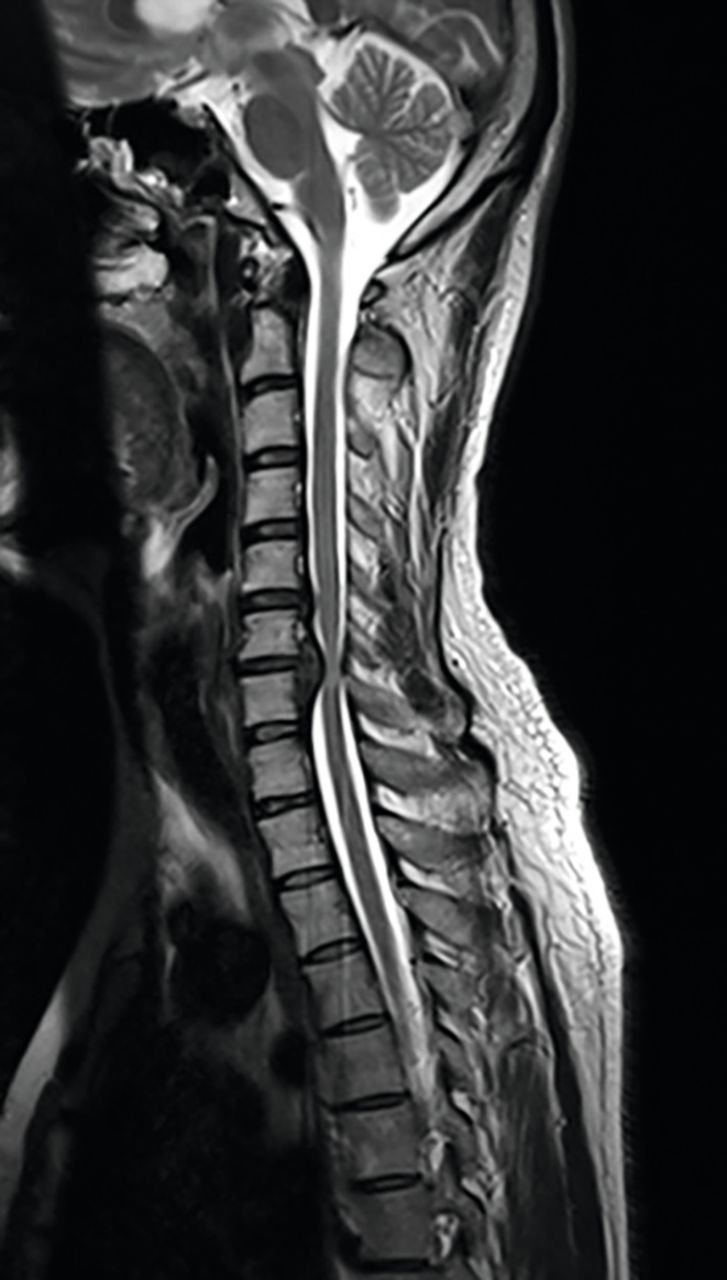
Kyphosis refers to an excessive forward curvature of the upper spine, resulting in a rounded or hunched appearance of the back. While a mild degree of thoracic curvature is normal, excessive curvature may lead to noticeable postural changes, pain and, in severe cases, functional limitations.
Kyphosis can occur in children, adolescents and adults. It may result from poor posture, developmental disorders, spinal fractures, osteoporosis, infections or other spinal conditions.
The condition is commonly referred to as a “hunchback” or “rounded back”, although not all patients develop a visible deformity.
Common Symptoms
Symptoms depend on the severity and underlying cause.
Patients may experience:
Visible Signs
Rounded upper back
Stooped posture
Forward bending of the spine
Prominent hump or hump-like appearance
Head positioned forward relative to the body
Pain-Related Symptoms
Upper back pain
Neck pain
Muscle fatigue
Stiffness
Difficulty standing upright for prolonged periods
Advanced Symptoms
Progressive spinal deformity
Balance difficulties
Reduced mobility
Breathing difficulties (in severe cases)
Neurological symptoms (rarely)
Some patients may initially seek medical attention because family members notice worsening posture.
Causes & Risk Factors
Postural Kyphosis
The most common type.
Occurs due to:
Poor posture
Prolonged desk work
Excessive mobile phone use
Weak back muscles
This type is usually flexible and correctable.
Scheuermann’s Kyphosis
A developmental condition seen in adolescents where vertebrae develop an abnormal wedge shape.
Osteoporotic Kyphosis
Occurs due to vertebral compression fractures caused by osteoporosis.
Congenital Kyphosis
Present at birth due to abnormal spinal development.
Secondary Kyphosis
May occur due to:
Spinal tuberculosis
Spinal infections
Tumors
Trauma
Ankylosing spondylitis
Risk factors include:
Osteoporosis
Increasing age
Poor posture
Vitamin D deficiency
Previous spinal fractures
When Should You Seek Medical Advice?
Medical evaluation is recommended if:
A rounded back becomes noticeable
Posture progressively worsens
Persistent back pain develops
Height loss is observed
Walking becomes difficult
Balance is affected
The deformity appears to increase over time
Seek Immediate Medical Attention If:
Weakness develops in the arms or legs
Difficulty walking occurs
Bladder or bowel symptoms develop
Severe neurological symptoms appear
How Is It Diagnosed?
Clinical Examination
The doctor evaluates:
Posture
Spinal alignment
Flexibility of the deformity
Neurological function
Associated spinal abnormalities
X-Ray
Standing spinal X-rays are the primary investigation.
They help determine:
Degree of kyphosis
Vertebral abnormalities
Presence of fractures
Progression of deformity
MRI
MRI may be recommended when:
Neurological symptoms are present
Spinal cord compression is suspected
Infection or tumor needs evaluation
CT Scan
Useful for detailed assessment of bony anatomy and complex deformities.
Blood Tests
May be advised when infection, inflammatory disease or metabolic bone disorders are suspected.
Treatment Options
Non-Surgical Treatment
Treatment depends on the cause and severity of the deformity.
Non-surgical management may include:
Posture correction
Physiotherapy
Back strengthening exercises
Ergonomic modifications
Osteoporosis treatment
Vitamin D and calcium supplementation
Bracing (in selected growing adolescents)
The goal is to improve posture, reduce pain and prevent progression.
Surgical Treatment
Surgery may be considered when:
Significant deformity is present
Progressive worsening occurs
Severe pain persists
Neurological symptoms develop
Balance becomes impaired
Spinal cord compression occurs
Common procedures include:
Kyphosis Correction Surgery
Deformity Correction Surgery
Instrumented Spinal Fusion
Osteotomy Procedures (in severe deformities)
The specific surgical approach depends on the severity and underlying cause of kyphosis.
Frequently Asked Questions
1. What is Kyphosis?
Kyphosis is an excessive forward curvature of the upper spine causing a rounded back appearance.
2. Is every rounded back Kyphosis?
Not necessarily. Some patients have poor posture without structural spinal deformity.
3. Can poor posture cause Kyphosis?
Yes. Postural kyphosis is one of the most common forms, especially in adolescents and office workers.
4. Can Kyphosis be corrected with exercise?
Postural kyphosis often improves with exercises and posture correction. Structural kyphosis may require additional treatment.
5. Can osteoporosis cause Kyphosis?
Yes. Vertebral compression fractures due to osteoporosis are a common cause in older adults.
6. Is surgery always necessary?
No. Most patients can be managed without surgery.
7. Can Kyphosis worsen over time?
Yes. Depending on the cause, the deformity may progress if left untreated.
8. What is Scheuermann’s Disease?
It is a developmental form of kyphosis occurring in adolescents due to abnormal vertebral growth.
9. Can Kyphosis cause breathing problems?
Severe deformities may occasionally affect lung function.
10. When should I worry about Kyphosis?
Progressive deformity, severe pain, neurological symptoms or balance problems require specialist evaluation.
Related Conditions
Scoliosis
Osteoporosis
Spinal Fracture
Ankylosing Spondylitis
Spinal Tuberculosis
Myelopathy
When Should You Consult a Spine Specialist?
If you notice worsening posture, a rounded back, persistent upper back pain, height loss or progressive spinal deformity, consultation with a spine specialist can help identify the underlying cause and guide appropriate treatment.
Early diagnosis is particularly important in growing children, adolescents and patients with osteoporosis to prevent progression and maintain spinal function.
Need Expert Advice?
Book a consultation with Dr. Siddharth Katkade or upload your X-rays/MRI for review through our Patient Resource Centre.
Need Clinical Evaluation?
Consult with Dr. Siddharth Katkade (MBBS, MS, DNB, FASSI Germany/UK) for accurate diagnosis and personalized spine treatment.