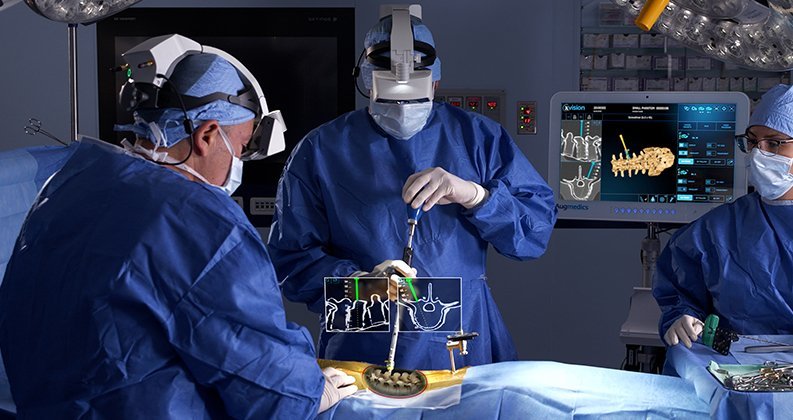
Surgery for Benign & Malignant Tumors of the Spine
What Is This Surgery?
Spinal Tumor Surgery is performed to treat tumors involving the vertebrae, spinal cord, nerve roots or surrounding spinal structures.
Spinal tumors may be:
Benign (Non-Cancerous)
Malignant (Cancerous)
Primary Tumors (Originating in the Spine)
Metastatic Tumors (Spread from another part of the body)
The goals of surgery are to:
Relieve pressure on the spinal cord and nerves
Preserve or improve neurological function
Reduce pain
Stabilize the spine
Obtain tissue for diagnosis (Biopsy)
Remove the tumor when feasible
Improve mobility and quality of life
Depending on the type, location and extent of the tumor, surgery may be performed using minimally invasive, microscopic or open surgical techniques.
Why Is This Surgery Performed?
This surgery may be recommended for:
Benign Spinal Tumors
Metastatic Spine Disease
Primary Vertebral Tumors
Nerve Sheath Tumors
Intradural Tumors
Extradural Tumors
Spinal Cord Compression
Pathological Fractures due to Tumors
Progressive Neurological Deficits
Common symptoms that may lead to surgery include:
Persistent back pain
Night pain
Unexplained weight loss
Difficulty walking
Leg weakness
Numbness
Loss of balance
Bowel or bladder dysfunction
Progressive neurological symptoms
Who Is A Suitable Candidate?
You may be a suitable candidate if:
✓ The tumor is causing spinal cord or nerve compression
✓ Significant pain is affecting quality of life
✓ Neurological symptoms have developed
✓ Spinal instability is present
✓ A tissue diagnosis (biopsy) is required
✓ The tumor is progressing despite other treatments
✓ A pathological fracture has occurred
✓ Surgery is expected to improve function or quality of life
How Is The Surgery Performed?
Step 1
The procedure is performed under general anesthesia.
Step 2
The affected spinal level is identified using advanced imaging guidance.
Step 3
The tumor is carefully exposed while protecting the spinal cord and surrounding nerves.
Step 4
A biopsy may be obtained if tissue diagnosis is required.
Step 5
The tumor is removed partially or completely depending on its type, location and relationship to critical neural structures.
Step 6
If the spinal cord or nerves are compressed, decompression is performed.
Step 7
If spinal instability exists or is expected after tumor removal, fixation using screws and rods may be performed.
Step 8
In selected cases, vertebral body reconstruction, cage placement or bone grafting may be required.
Step 9
The wound is closed and sterile dressings are applied.
The exact surgical approach varies depending on the tumor type and spinal level involved.
What Are The Advantages?
Potential benefits include:
Relief of spinal cord compression
Relief of nerve compression
Improvement in neurological function
Reduction in pain
Improved walking ability
Restoration of spinal stability
Accurate tissue diagnosis
Facilitation of chemotherapy or radiotherapy when required
Prevention of further neurological deterioration
Improved quality of life
In appropriately selected patients, surgery can significantly improve comfort, mobility and independence.
What Are The Risks?
Every surgical procedure carries certain theoretical risks and potential complications. However, every effort is made to minimise these risks through meticulous surgical planning, advanced technology and comprehensive patient optimisation.
At Bombay Spine Clinic™, Spinal Tumor Surgery is performed using advanced imaging guidance, microsurgical techniques, neuromonitoring (when indicated) and modern spinal instrumentation systems. These technologies help maximize tumor removal while protecting the spinal cord, nerves and surrounding structures.
In addition, every patient undergoes a multidisciplinary evaluation involving oncologists, physicians, radiologists, pathologists, anaesthetists and other specialists whenever required. This collaborative approach helps optimise patient safety and treatment outcomes.
Potential risks that are discussed with patients include:
Infection
Bleeding
Nerve injury
Spinal cord injury
Dural tear (CSF leak)
Persistent neurological symptoms
Tumor recurrence
Implant-related complications
Medical complications associated with major surgery
Rare need for additional surgery
Fortunately, careful planning and modern surgical techniques significantly reduce the risk of major complications.
Preparing For Surgery
Before surgery:
Clinical evaluation
MRI review
CT scan review
X-rays (if required)
Blood investigations
Medical fitness assessment
Medication review
Anaesthesia assessment
Additional investigations may include:
PET-CT scan
Tumor markers
Biopsy
Whole-body screening
Oncology consultation
Patients should inform their doctor regarding:
Previous cancer treatment
Chemotherapy
Radiotherapy
Blood thinning medications
Diabetes
Heart disease
Allergies
What Happens During Hospital Stay?
Day of Surgery
Hospital admission
Surgery
Recovery room observation
Pain management
Neurological monitoring
First 24–72 Hours
Assisted mobilization
Physiotherapy guidance
Wound care
Neurological assessment
Review of pathology reports when available
Discharge
Most patients are discharged within:
3–7 days
depending on the complexity of surgery and overall recovery.
Recovery After Surgery
Week 1
Expected symptoms:
Surgical site discomfort
Improvement in tumor-related pain
Walking encouraged under supervision
Gradual increase in mobility
Weeks 2–6
Follow-up consultations
Pathology review
Oncology review if required
Progressive increase in activity
6 Weeks–3 Months
Strengthening exercises
Improvement in mobility
Additional treatment such as radiotherapy or chemotherapy may be initiated if required
Long-Term Recovery
Recovery depends on:
Tumor type
Neurological status before surgery
Extent of tumor removal
Response to additional treatments
Many patients experience significant improvement in pain, mobility and quality of life.
Frequently Asked Questions
1. Why do I need this surgery?
Because the tumor is causing pain, spinal instability, nerve compression or neurological symptoms that may worsen without treatment.
2. Does every spinal tumor require surgery?
No. Some spinal tumors can be managed with observation, radiotherapy, chemotherapy or other treatments. Surgery is recommended when it is expected to provide meaningful benefit.
3. Will the tumor be completely removed?
This depends on the type, size and location of the tumor. In some cases complete removal is possible, while in others partial removal combined with other treatments may be safer and more effective.
4. How long will I stay in hospital?
Most patients remain in hospital for approximately 3–7 days depending on the complexity of surgery and recovery.
5. When can I start walking after surgery?
Most patients are encouraged to begin walking within 24–48 hours under supervision, depending on the extent of surgery.
6. When can I start outdoor walking?
Outdoor walking is generally started after approximately 1–2 weeks depending on recovery and comfort.
7. When can I travel after surgery?
Short local travel is usually possible after approximately 2–3 weeks. Long-distance travel is generally recommended after 6–8 weeks depending on recovery.
8. When can I return to work?
Typical timelines are:
Work From Home (WFH): Approximately 3–4 weeks
Office-Based Work: Approximately 6–8 weeks
Light Physical Work: Approximately 8–12 weeks
Heavy Manual Labour: Individualized based on diagnosis and recovery
9. When can I drive, exercise, dance or resume sports?
Driving is generally permitted after 4–6 weeks.
Sports, gym workouts and high-impact activities are resumed based on recovery, spinal stability and the need for additional cancer treatment.
10. What is the success rate of Spinal Tumor Surgery?
Success depends on several factors including tumor type, location, neurological status and overall health.
In appropriately selected patients, surgery is highly effective in relieving spinal cord compression, reducing pain, improving mobility and preserving neurological function.
11. Can the tumor come back?
Some tumors may recur after treatment, while others can be cured completely. Regular follow-up imaging and clinical assessment are important for long-term monitoring.
Myth vs Fact
Myth:
A spinal tumor always means cancer.
Fact:
Many spinal tumors are benign (non-cancerous) and can be successfully treated.
Myth:
Nothing can be done once a spinal tumor affects the spine.
Fact:
Modern spine surgery, radiotherapy and oncology treatments offer effective options for many patients and can significantly improve quality of life.
When Should I Contact My Surgeon After Surgery?
Contact your surgeon if you experience:
Fever
Increasing wound discharge
Progressive weakness
Difficulty walking
New numbness
Severe pain
Difficulty passing urine
Any sudden neurological deterioration
Related Conditions
Spinal Tumor
Metastatic Spine Disease
Pathological Vertebral Fracture
Spinal Cord Compression
Nerve Sheath Tumor
Related Procedures
Fracture Fixation Surgery
Spinal Infection Surgery
Spino-Pelvic Fixation Surgery
Need Expert Advice?
If you have been diagnosed with a spinal tumor, metastatic spine disease or spinal cord compression, or would like a second opinion regarding your MRI, CT scan, PET-CT scan or biopsy reports, you may schedule a consultation or upload your reports for specialist review.
Dr. Siddharth KatkadeConsultant Spine Surgeon
Bombay Spine Clinic™
Need Clinical Evaluation?
Consult with Dr. Siddharth Katkade (MBBS, MS, DNB, FASSI Germany/UK) for accurate diagnosis and personalized spine treatment.