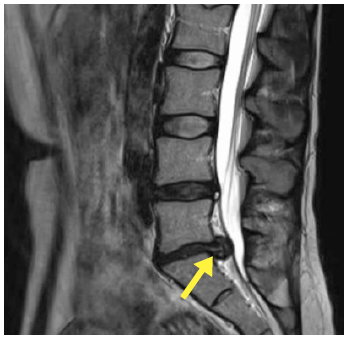
A Slip Disc, also known as a Disc Herniation, Disc Prolapse or Herniated Disc, occurs when the soft inner portion of an intervertebral disc protrudes through its outer layer. This may irritate or compress nearby nerves, leading to pain, numbness or weakness.
Despite the common term “slip disc,” the disc does not actually slip out of place. Rather, part of the disc bulges or herniates and may press on adjacent nerve structures.
Slip discs most commonly occur in the lower back (Lumbar Spine) but can also affect the neck (Cervical Spine).
Common Symptoms
Symptoms depend on the location and severity of nerve compression.
Lumbar Slip Disc
Patients may experience:
Low back pain
Pain radiating down the leg (Sciatica)
Tingling or numbness in the leg or foot
Burning or electric shock-like pain
Weakness in the leg or foot
Difficulty standing or walking for prolonged periods
Pain aggravated by coughing, sneezing or bending forward
Cervical Slip Disc
Patients may experience:
Neck pain
Pain radiating into the shoulder or arm
Tingling or numbness in the hand or fingers
Weakness in the arm or hand
Difficulty with fine hand movements
Causes & Risk Factors
Common causes include:
Age-related disc degeneration
Repetitive bending and lifting
Sudden twisting movements
Heavy physical work
Poor posture
Sedentary lifestyle
Obesity
Smoking
Genetic predisposition
Risk factors increase with advancing age due to gradual loss of disc hydration and elasticity.
When Should You Seek Medical Advice?
Medical evaluation is recommended if:
Leg pain persists for more than a few days
Pain radiates below the knee
Tingling or numbness develops
Weakness develops in the foot or leg
Walking becomes difficult
Symptoms interfere with sleep or daily activities
Seek Immediate Medical Attention If:
Progressive weakness develops
Foot drop occurs
Difficulty walking worsens rapidly
Loss of bladder or bowel control occurs
Numbness develops around the groin or genital region
These may indicate severe nerve compression requiring urgent assessment.
How Is It Diagnosed?
Clinical Examination
A detailed history and neurological examination help identify the affected nerve and assess its severity.
X-Ray
May show age-related degeneration but cannot directly visualize the disc itself.
MRI
MRI is the investigation of choice and provides detailed information about:
Disc herniation
Nerve compression
Spinal canal narrowing
Associated spinal pathology
CT Scan
May occasionally be required when MRI is not possible.
Blood Tests
Generally not required unless infection or inflammatory conditions are suspected.
Treatment Options
Non-Surgical Treatment
Most patients with a slip disc improve without surgery.
Treatment may include:
Activity modification
Medications
Physiotherapy
Nerve mobilization exercises
Core strengthening
Posture correction
Lifestyle modification
Many disc herniations gradually shrink over time and symptoms improve with conservative management.
Surgical Treatment
Surgery may be considered when:
Severe leg pain persists despite treatment
Progressive neurological weakness develops
Foot drop occurs
Daily activities become significantly restricted
Bladder or bowel symptoms develop
Common surgical procedures include:
Microdiscectomy
Endoscopic Discectomy
Minimally Invasive Discectomy
Cervical Discectomy (for cervical disc prolapse)
The choice of procedure depends on the location and severity of the disc herniation.
Frequently Asked Questions
1. What is a slip disc?
A slip disc occurs when part of the spinal disc bulges or herniates and may compress nearby nerves.
2. Does every slip disc require surgery?
No. Most patients improve with non-surgical treatment.
3. Can a slip disc heal naturally?
Yes. Many disc herniations reduce in size over time and symptoms improve with appropriate treatment.
4. Is bed rest recommended?
Prolonged bed rest is generally discouraged. Early mobilisation is often beneficial.
5. What is Sciatica?
Sciatica refers to pain radiating down the leg due to irritation of the sciatic nerve, commonly caused by a lumbar slip disc.
6. Can physiotherapy help?
Yes. Physiotherapy is often an important part of recovery.
7. How do I know if my slip disc is serious?
Progressive weakness, foot drop, walking difficulty or bladder/bowel symptoms require urgent medical attention.
8. Is endoscopic surgery an option?
In selected patients, endoscopic spine surgery may provide effective treatment through a small incision.
9. How long does recovery take?
Recovery varies depending on severity, but many patients improve significantly within weeks to months.
10. Can a slip disc recur?
Yes. Although many patients recover completely, recurrence can occur in some individuals.
Related Conditions
Sciatica
Mechanical Low Back Pain (Lumbago)
Lumbar Canal Stenosis
Spondylolisthesis
Cervical Spondylosis
Myelopathy
When Should You Consult a Spine Specialist?
If you have persistent back pain, leg pain, numbness, weakness or symptoms affecting your daily activities, early evaluation by a spine specialist can help determine the cause and guide appropriate treatment.
Need Expert Advice?
Book a consultation with Dr. Siddharth Katkade or upload your MRI/report for review through our Patient Resource Centre.
Need Clinical Evaluation?
Consult with Dr. Siddharth Katkade (MBBS, MS, DNB, FASSI Germany/UK) for accurate diagnosis and personalized spine treatment.