
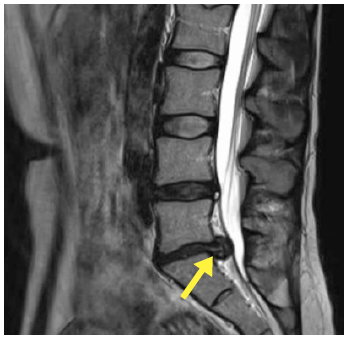
A herniated disc (commonly called a slipped disc) occurs when the soft inner gel (nucleus pulposus) pushes through a tear in the tougher exterior ring (annulus fibrosus), compressing adjacent spinal nerve roots.
This causes excruciating lower back pain, sharp radiating pain down the leg (sciatica), numbness in the foot or toes, and muscle weakness. While mild disc bulges heal with conservative physical therapy, severe herniations with nerve compression require expert surgical decompression.
Gold standard minimally invasive surgery using high-magnification Carl Zeiss microscopes to remove the disc fragment safely.
Stitchless keyhole surgery under local anesthesia through a 7mm portal for immediate pain relief and same-day walking.
If you develop sudden progressive leg weakness (foot drop) or loss of bowel/bladder control (Cauda Equina Syndrome), emergency decompression is required within 24–48 hours to prevent permanent nerve damage.