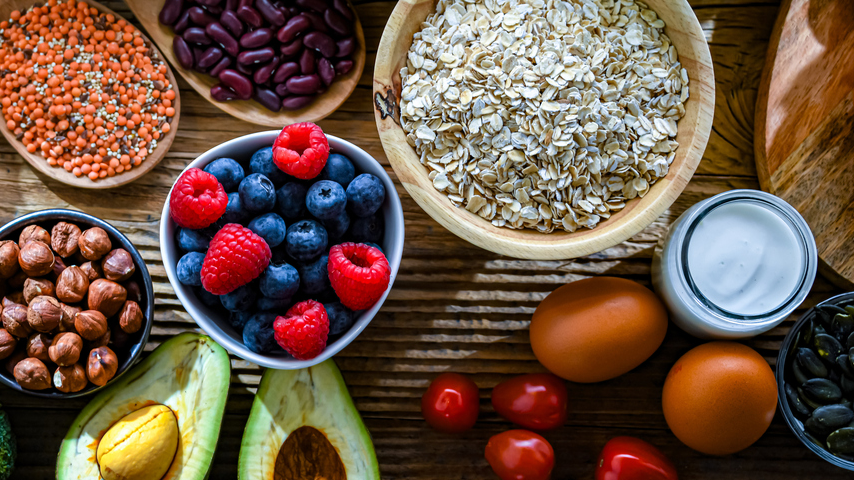
Good nutrition is an essential part of maintaining a healthy spine and supporting recovery after spine surgery or injury.
Your spine, muscles, nerves and bones require the right balance of nutrients to remain strong and function properly. A healthy diet can help:
Maintain strong bones
Improve muscle strength
Reduce the risk of osteoporosis
Support wound healing
Improve immunity
Enhance recovery after surgery
Maintain a healthy body weight
Reduce stress on the spine
At Bombay Spine Clinic™, we believe that good nutrition complements medical treatment, physiotherapy and exercise to achieve the best long-term outcomes.
Nutrition for Spine Health
Your spine depends on a combination of healthy bones, strong muscles, flexible ligaments and healthy intervertebral discs.
A balanced diet should include:
High-quality protein
Calcium-rich foods
Vitamin D
Fruits and vegetables
Whole grains
Healthy fats
Adequate fluids
No single food can cure back pain, but a nutritious diet helps maintain overall spinal health and supports your body's natural healing process.
Calcium-Rich Foods
Calcium is one of the most important minerals for maintaining strong bones.
Adults generally require approximately 1,000–1,200 mg of calcium daily, although individual requirements may vary depending on age, sex and medical conditions.
Good dietary sources include:
Dairy Products
Milk
Curd (Yogurt)
Paneer
Cheese (in moderation)
Vegetarian Sources
Ragi (Finger Millet)
Sesame Seeds (Til)
Almonds
Soybeans
Tofu
Rajma
Chickpeas
Green leafy vegetables such as spinach, fenugreek and amaranth
Non-Vegetarian Sources
Sardines
Salmon (with edible bones)
Small fish
Prawns (moderate amounts)
If dietary intake is insufficient, your doctor may recommend calcium supplements.
Vitamin D Sources
Vitamin D helps the body absorb calcium and is essential for healthy bones and muscles.
Unfortunately, Vitamin D deficiency is very common, particularly among people who spend most of their time indoors.
Natural sources include:
Sunlight
The body produces Vitamin D when the skin is exposed to sunlight.
Regular exposure to early morning or late morning sunlight for 15–30 minutes, depending on your skin type and local conditions, can help maintain healthy Vitamin D levels.
Dietary Sources
Egg yolk
Fatty fish (Salmon, Tuna, Mackerel)
Mushrooms
Fortified milk
Fortified cereals
Many individuals with Vitamin D deficiency require supplements prescribed by their doctor after appropriate blood testing.
Protein-Rich Foods
Protein is essential for:
Muscle strength
Tissue repair
Wound healing
Bone healing
Recovery after surgery
Good protein sources include:
Vegetarian
Dal
Moong
Chana
Rajma
Soybeans
Tofu
Paneer
Milk
Greek yogurt
Nuts and seeds
Non-Vegetarian
Eggs
Chicken
Fish
Lean meat
Older adults and patients recovering from surgery often require a higher protein intake to support healing and rehabilitation.
Diet for Osteoporosis
People with osteoporosis should focus on foods that support bone health.
A bone-friendly diet includes:
Adequate calcium
Vitamin D
Protein
Magnesium
Vitamin K
Zinc
Healthy choices include:
Milk and dairy products
Green leafy vegetables
Nuts
Seeds
Whole grains
Pulses
Fresh fruits
Fish
Eggs
Limit excessive intake of:
Sugary beverages
Highly processed foods
Excess salt
Excess alcohol
If osteoporosis is diagnosed, medications may also be required in addition to a healthy diet.
Diet After Spine Surgery
After surgery, your body requires extra nutrients for tissue repair and bone healing.
Your recovery diet should include:
High-quality protein
Calcium-rich foods
Vitamin D
Fresh fruits
Vegetables
Whole grains
Healthy fats
Adequate fluids
Small, frequent meals are often easier to tolerate during the first few days after surgery.
Constipation is common after surgery due to pain medications and reduced activity.
To help prevent constipation:
Drink adequate water.
Eat fruits rich in fibre.
Include vegetables and whole grains.
Stay physically active as advised.
Take stool softeners if prescribed.
Recovery Nutrition
Good nutrition helps your body recover more efficiently.
Important nutrients during recovery include:
Protein
Supports wound healing and muscle recovery.
Calcium & Vitamin D
Essential for bone healing and spinal fusion.
Vitamin C
Supports collagen production and wound healing.
Good sources:
Oranges
Lemon
Amla
Guava
Bell peppers
Iron
Supports healthy blood production after surgery.
Sources include:
Spinach
Dates
Beans
Lentils
Lean meats
Zinc
Helps wound healing and immune function.
Sources include:
Nuts
Seeds
Eggs
Meat
Whole grains
Hydration
Water is often overlooked but is vital for recovery and spinal health.
Adequate hydration helps:
Maintain healthy intervertebral discs
Improve circulation
Reduce constipation
Support healing
Maintain energy levels
Most healthy adults should aim for approximately 2–3 litres of fluids per day, unless advised otherwise because of kidney disease, heart disease or other medical conditions.
Water should remain your primary source of hydration.
Foods That Support Bone Healing
Following fractures or spine surgery, your body requires additional nutrients to build new bone.
Focus on:
Protein
Calcium
Vitamin D
Magnesium
Vitamin C
Zinc
Phosphorus
Bone healing also depends on:
Regular walking
Physiotherapy
Good blood sugar control
Avoiding smoking
Adequate sleep
Healing is influenced by many factors—not nutrition alone.
Foods to Limit
For better spinal and overall health, try to reduce:
Sugary drinks
Processed foods
Deep-fried foods
Excess sweets
High-salt packaged snacks
Excess alcohol
Smoking should be avoided, particularly after spine surgery, as it delays wound healing, reduces bone fusion rates and increases the risk of complications.
Maintaining a Healthy Weight
Being overweight places additional stress on the spine, discs and joints.
Even modest weight loss can:
Reduce back pain
Improve mobility
Reduce stress on spinal joints
Improve surgical outcomes
Lower the risk of future spine problems
A balanced diet combined with regular physical activity is the most effective long-term strategy for maintaining a healthy weight.
Frequently Asked Questions
Should I take calcium supplements?
Not everyone requires supplements. Your doctor will advise calcium supplementation if your dietary intake is inadequate or if you have osteoporosis or other bone health concerns.
Should everyone take Vitamin D?
Vitamin D deficiency is common, but supplementation should ideally be based on your clinical evaluation and, when appropriate, blood test results. Your doctor will recommend the correct dose if needed.
Is milk necessary after spine surgery?
Milk is a good source of calcium and protein, but it is not essential if you obtain these nutrients from other foods.
Are protein powders necessary?
Most people can meet their protein needs through a balanced diet. Protein supplements may be recommended for selected patients with increased nutritional requirements.
Can diet alone cure back pain?
No. Nutrition supports spinal health and recovery but should be combined with appropriate medical treatment, physiotherapy, exercise and lifestyle modification.
Downloadable Diet Charts
To help you make healthier food choices, we provide downloadable nutrition guides for different spinal conditions.
Available resources include:
Daily Spine Health Diet Chart
High-Protein Diet After Spine Surgery
Calcium-Rich Foods Guide
Vitamin D Food Sources
Osteoporosis Nutrition Plan
Indian Vegetarian High-Protein Diet
Indian Non-Vegetarian High-Protein Diet
These practical meal plans are designed to help you and your family make informed dietary choices during treatment and recovery.
Key Message
Healthy Nutrition Is an Investment in Your Spine
Good nutrition cannot replace medical treatment, but it plays a vital role in maintaining strong bones, healthy muscles and successful recovery after spine surgery.
When combined with regular exercise, good posture, adequate sleep and appropriate medical care, a balanced diet helps you achieve the best possible long-term spinal health.
Need Personalised Nutrition Advice?
Some patients—particularly those with osteoporosis, diabetes, obesity, malnutrition or recovering from major spine surgery—may benefit from an individual nutrition plan.
Our team can guide you regarding healthy eating habits and, when required, coordinate care with a qualified dietitian to support your recovery and long-term spine health.