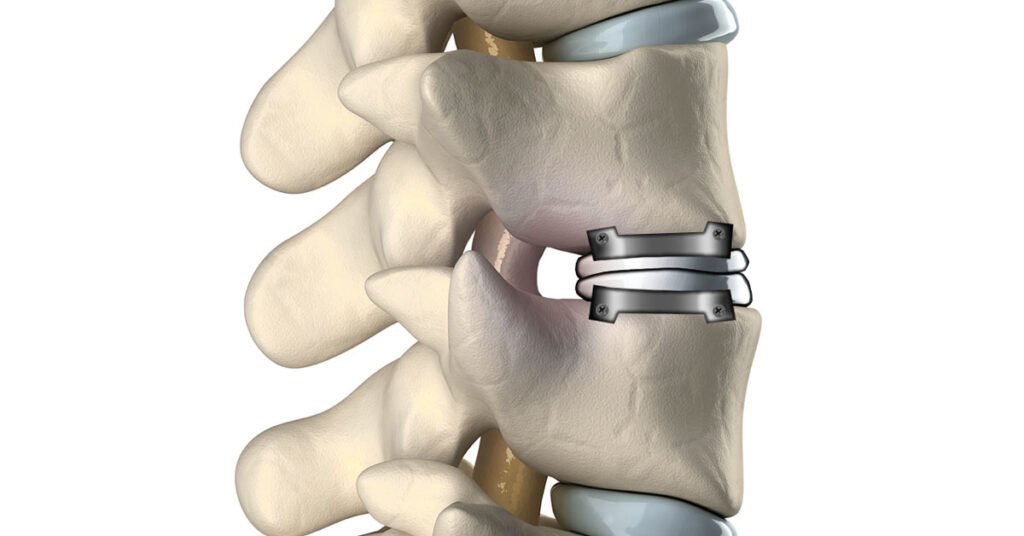
Motion-Preserving Surgery for Cervical Slip Disc, Cervical Radiculopathy & Selected Patients with Cervical Disc Disease
What Is This Surgery?
Cervical Disc Replacement (CDR), also known as Artificial Cervical Disc Replacement (ACDR), is an advanced motion-preserving cervical spine surgery performed to treat a damaged cervical disc that is compressing a spinal nerve or the spinal cord.
Unlike Anterior Cervical Discectomy and Fusion (ACDF), where the affected spinal segment is fused, Cervical Disc Replacement removes the diseased disc and replaces it with a specially designed artificial disc that preserves movement at the operated level.
The goals of the surgery are to:
Remove the damaged cervical disc
Relieve pressure on the spinal cord and nerve roots
Reduce neck pain and arm pain
Improve numbness and weakness
Preserve normal neck movement
Maintain spinal alignment
Reduce stress on adjacent spinal levels
Enable faster recovery while maintaining natural motion
The surgery is performed through a small incision at the front of the neck using microsurgical techniques and specialised instruments.
For carefully selected patients, Cervical Disc Replacement offers an excellent alternative to fusion surgery by maintaining movement while effectively relieving nerve compression.
Why Is This Surgery Performed?
This surgery may be recommended for:
Cervical Slip Disc (Cervical Disc Herniation)
Cervical Radiculopathy
Soft Disc Herniation
Single-Level or Selected Two-Level Cervical Disc Disease
Symptoms affecting work, sleep and daily activities
Failure of conservative treatment
This procedure is best suited for patients with nerve root compression who wish to preserve neck mobility and meet the appropriate selection criteria.
Who Is A Suitable Candidate?
You may be a suitable candidate if:
✓ Symptoms persist despite medications and physiotherapy.
✓ MRI confirms cervical disc herniation compressing a nerve.
✓ Neck movement is well preserved.
✓ Significant cervical instability is absent.
✓ Severe facet joint arthritis is not present.
✓ Progressive neurological weakness develops.
✓ Quality of life is significantly affected.
✓ You are medically fit for surgery.
Not every patient is suitable for Cervical Disc Replacement. Your spine surgeon will determine whether Disc Replacement or ACDF is the better option based on your MRI findings, spinal alignment and overall cervical spine health.
How Is The Surgery Performed?
Step 1
The procedure is performed under general anesthesia. The patient lies comfortably on the operating table with the neck positioned appropriately.
Step 2
A small horizontal skin incision (approximately 3–5 cm) is made along a natural skin crease on the front of the neck.
Step 3
The muscles, windpipe (trachea), food pipe (oesophagus) and major blood vessels are gently separated—not cut—to safely access the cervical spine. The affected disc level is confirmed using intraoperative imaging.
Step 4
The damaged cervical disc is completely removed. Bone spurs and structures compressing the spinal cord or nerves are carefully excised to achieve complete decompression.
A specially designed artificial cervical disc is then inserted into the disc space. The implant is carefully positioned to restore normal disc height, maintain spinal alignment and preserve movement at the operated level.
Step 5
After confirming satisfactory implant position and adequate decompression, the wound is closed with cosmetic sutures.
Most Cervical Disc Replacement procedures are completed within 1–2 hours, depending on the number of spinal levels treated.
What Are The Advantages?
Potential benefits include:
Small cosmetically placed incision
Preservation of normal neck movement
No spinal fusion required
Reduced stress on adjacent spinal levels
Excellent relief of arm pain
Improvement in numbness and weakness
Faster functional recovery
Less postoperative neck stiffness
Early mobilisation
Shorter hospital stay
Quicker return to work
Maintenance of natural spinal biomechanics
Improved quality of life
For appropriately selected patients, Cervical Disc Replacement combines effective nerve decompression with preservation of spinal motion.
What Are The Risks?
Every surgical procedure carries certain theoretical risks and potential complications. However, every effort is made to minimise these risks through meticulous surgical planning, advanced technology and comprehensive patient optimisation.
At Bombay Spine Clinic™, Cervical Disc Replacement is performed using modern microsurgical techniques, premium artificial disc implants and advanced imaging guidance. These technologies allow accurate implant placement while preserving normal spinal movement and ensuring optimal decompression of the spinal cord and nerve roots.
Every patient undergoes a comprehensive pre-operative assessment. Depending on individual health requirements, optimisation may involve physicians, cardiologists, anaesthetists and other specialists. This multidisciplinary approach improves surgical safety, facilitates recovery and enhances long-term outcomes.
Potential risks discussed with patients include:
Infection
Bleeding
Temporary swallowing discomfort
Temporary voice hoarseness
Dural tear (rare)
Nerve injury
Implant malposition
Implant wear or loosening (rare)
Persistent symptoms
Heterotopic ossification (bone formation around the artificial disc)
Rare need for revision surgery
Fortunately, significant complications are uncommon when surgery is performed for appropriate indications using modern surgical techniques.
Preparing For Surgery
Before surgery:
Clinical evaluation
MRI review
Dynamic cervical X-rays
CT scan (if required)
Blood investigations
Medical fitness assessment
Medication review
Anaesthesia assessment
Patients should inform their doctor regarding:
Blood thinning medications
Diabetes
Heart disease
Previous neck surgeries
Allergies
Smoking history
Smoking cessation is strongly encouraged to optimise healing and long-term implant performance.
What Happens During Hospital Stay?
Day of Surgery
Hospital admission
Surgery
Recovery room observation
Pain management
Early neurological assessment
First 24 Hours
Assisted walking
Soft diet as tolerated
Physiotherapy guidance
Wound care instructions
Discharge
Most patients are discharged within:
24–48 hours
depending on recovery and the number of spinal levels operated.
Recovery After Surgery
Week 1
Expected symptoms:
Mild neck discomfort
Temporary swallowing difficulty in some patients
Walking encouraged
Light daily activities permitted
Weeks 2–6
Progressive neck mobility exercises
Gradual increase in daily activities
Follow-up consultation
Physiotherapy if advised
6 Weeks–3 Months
Progressive strengthening exercises
Return to routine activities
Restoration of normal neck function
Long-Term Recovery
Most patients experience excellent relief of arm pain while maintaining normal neck movement. Regular neck exercises, good posture and ergonomic habits help maintain long-term spinal health.
When Can I Return To Work?
Occupation
Approximate Timeline
Work From Home
2 weeks
Desk Job
2–4 weeks
Light Physical Work
4–6 weeks
Heavy Manual Labour
8–12 weeks
Driving
2–3 weeks
Sports & High-Impact Activities
10–12 weeks
Frequently Asked Questions
1. Why do I need this surgery?
Because your cervical disc is compressing a nerve and causing persistent arm pain, numbness or weakness. Cervical Disc Replacement relieves nerve compression while preserving movement at the operated level.
2. Are there alternatives to surgery?
Yes. Many patients improve with medications, physiotherapy and activity modification. If surgery is required, ACDF may also be an alternative depending on your spinal condition.
3. Will I have a large scar?
No. The incision is usually 3–5 cm and is placed within a natural skin crease for an excellent cosmetic appearance.
4. How long will I stay in hospital?
Most patients remain in hospital for approximately 24–48 hours.
5. When can I start walking?
Walking usually begins within a few hours after surgery under supervision.
6. When can I climb stairs?
Most patients can safely climb stairs before discharge.
7. When can I drive?
Driving is generally permitted after approximately 2–3 weeks, once neck movements are comfortable and you are no longer taking strong pain medications.
8. When can I return to work?
Most office workers return within 2–4 weeks, while physically demanding occupations generally require approximately 8–12 weeks.
9. What is the success rate?
When performed for appropriate indications, Cervical Disc Replacement has an excellent success rate in relieving arm pain and preserving neck motion. Most patients experience significant improvement in pain, neurological function and overall quality of life.
10. Will the artificial disc need to be replaced?
Modern cervical disc implants are designed for long-term durability. In most patients, the implant remains functional for many years and does not require replacement unless a specific problem develops.
Myth vs Fact
Myth:
Artificial discs are experimental.
Fact:
Cervical Disc Replacement is a well-established procedure with excellent long-term clinical outcomes in carefully selected patients.
Myth:
Every patient with a cervical slipped disc is suitable for Disc Replacement.
Fact:
Not every patient is a candidate. Factors such as spinal instability, severe arthritis, osteoporosis, multilevel disease and spinal alignment influence whether Disc Replacement or ACDF is the most appropriate treatment.
When Should I Contact My Surgeon After Surgery?
Contact your surgeon if you experience:
Fever
Increasing wound discharge
Difficulty breathing or swallowing
Progressive weakness
Severe neck or arm pain
Difficulty passing urine
New numbness
Sudden worsening of neurological symptoms
Related Conditions
Cervical Slip Disc
Cervical Radiculopathy
Cervical Foraminal Stenosis
Degenerative Cervical Disc Disease
Related Procedures
Anterior Cervical Discectomy & Fusion (ACDF)
Microscopic Cervical Foraminotomy
Posterior Cervical Decompression
Need Expert Advice?
If you have persistent neck pain, arm pain, numbness or weakness due to cervical disc disease, or have been advised cervical spine surgery, you may schedule a consultation or upload your MRI for specialist review.
Dr. Siddharth KatkadeConsultant Spine Surgeon
Bombay Spine Clinic™
Need Clinical Evaluation?
Consult with Dr. Siddharth Katkade (MBBS, MS, DNB, FASSI Germany/UK) for accurate diagnosis and personalized spine treatment.