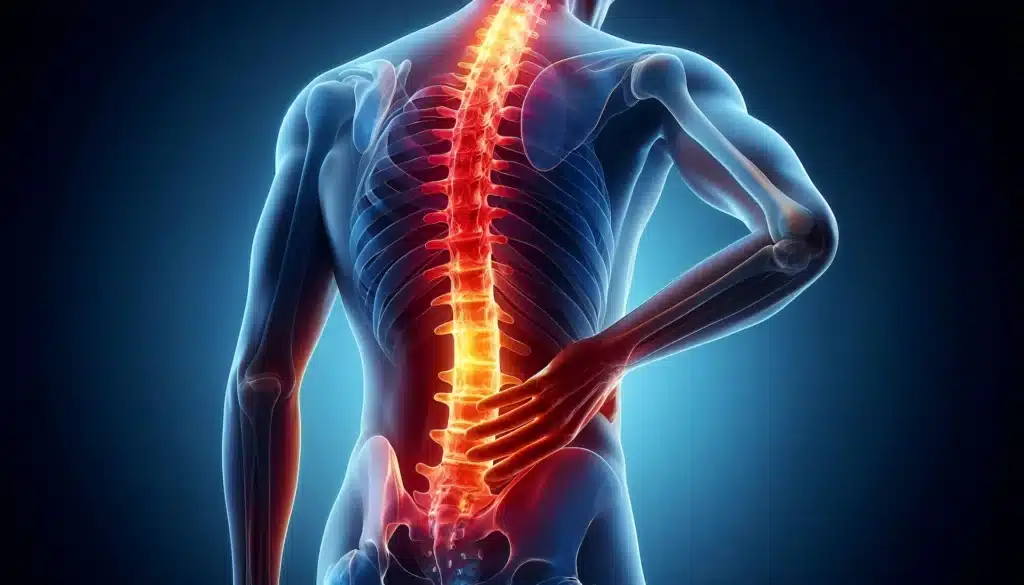
A Spinal Fracture refers to a break or collapse of one or more vertebrae (spinal bones). Spinal fractures can occur due to trauma such as falls, road traffic accidents and sports injuries, or due to weakened bones from conditions like osteoporosis, infections or tumors.
The severity of a spinal fracture can range from a minor stable fracture requiring conservative treatment to a complex injury causing spinal instability and neurological deficits.
Prompt diagnosis is important because some spinal fractures may lead to deformity, chronic pain or spinal cord and nerve injury if left untreated.
Common Symptoms
Symptoms vary depending on the location and severity of the fracture.
Pain Symptoms
Sudden onset back pain
Neck pain following injury
Severe localized pain
Pain worsened by movement
Difficulty standing or walking
Pain while changing position
Physical Signs
Tenderness over the spine
Muscle spasm
Visible spinal deformity
Height loss (in osteoporotic fractures)
Neurological Symptoms
If nerves or the spinal cord are affected:
Tingling or numbness
Weakness in the arms or legs
Difficulty walking
Loss of balance
Bladder or bowel dysfunction
Causes & Risk Factors
Traumatic Fractures
Common causes include:
Falls from height
Road traffic accidents
Sports injuries
Direct impact injuries
Osteoporotic Fractures
Common in elderly individuals, particularly postmenopausal women.
Even minor activities such as:
Bending
Lifting light objects
Coughing
may occasionally cause vertebral compression fractures.
Pathological Fractures
May occur due to:
Spinal tumors
Metastatic cancer
Spinal infections
Tuberculosis
Metabolic bone disorders
Risk factors include:
Osteoporosis
Advanced age
Vitamin D deficiency
Previous fractures
Long-term steroid use
High-energy trauma
When Should You Seek Medical Advice?
Medical evaluation is recommended if:
Severe back or neck pain develops after an injury
Pain persists despite rest
Height loss is noticed
Spinal deformity develops
Pain significantly limits mobility
Seek Immediate Medical Attention If:
Weakness develops in the arms or legs
Numbness occurs
Walking becomes difficult
Loss of bladder or bowel control develops
Significant trauma has occurred
These symptoms may indicate spinal cord or nerve injury and require urgent assessment.
How Is It Diagnosed?
Clinical Examination
Your doctor will assess:
Pain location
Spinal alignment
Neurological function
Signs of instability
X-Ray
Often the first investigation performed.
It helps identify:
Vertebral collapse
Compression fractures
Alignment abnormalities
MRI
MRI is particularly useful for:
Determining fracture age
Assessing spinal cord compression
Evaluating ligament injuries
Detecting infection or tumors
CT Scan
CT provides detailed information about:
Fracture pattern
Bone anatomy
Spinal stability
It is often essential for surgical planning.
Bone Density (DEXA Scan)
May be recommended when osteoporosis is suspected.
Blood Tests
May be performed to evaluate:
Infection
Osteoporosis
Metabolic disorders
Tumors
Treatment Options
Non-Surgical Treatment
Many stable spinal fractures can be managed without surgery.
Treatment may include:
Activity modification
Pain management
Bracing
Physiotherapy
Osteoporosis treatment
Gradual rehabilitation
The goal is to allow healing while maintaining spinal alignment and function.
Surgical Treatment
Surgery may be considered when:
Spinal instability is present
Significant deformity develops
Neurological compression occurs
Severe pain persists
Fractures involve multiple spinal columns
Common procedures include:
Vertebroplasty
Injection of bone cement into the fractured vertebra.
Kyphoplasty
Balloon-assisted restoration of vertebral height followed by cement stabilization.
Spinal Stabilization Surgery
Use of screws and rods to restore stability.
Decompression Surgery
Performed when nerve or spinal cord compression is present.
The choice of treatment depends on fracture type, stability and neurological status.
Frequently Asked Questions
1. What is a spinal fracture?
A spinal fracture is a break or collapse of one or more vertebrae.
2. Can osteoporosis cause spinal fractures?
Yes. Osteoporosis is one of the most common causes of vertebral compression fractures.
3. Are all spinal fractures serious?
No. Some fractures are stable and heal without surgery, while others may require urgent intervention.
4. Can I walk with a spinal fracture?
Some patients can walk, especially with stable fractures. However, evaluation is necessary to determine safety.
5. What is a compression fracture?
A compression fracture occurs when the vertebral body collapses, often due to osteoporosis.
6. Do all spinal fractures require surgery?
No. Many fractures can be managed successfully with conservative treatment.
7. What is Kyphoplasty?
Kyphoplasty is a minimally invasive procedure used to stabilize certain vertebral compression fractures.
8. How long does recovery take?
Recovery varies depending on fracture severity, patient age and underlying bone health.
9. Can spinal fractures cause paralysis?
Severe fractures involving spinal cord injury may lead to neurological deficits, including paralysis.
10. How can spinal fractures be prevented?
Maintaining bone health through adequate calcium, vitamin D, exercise and osteoporosis treatment can significantly reduce fracture risk.
Related Conditions
Osteoporosis
Kyphosis
Spinal Tumor
Spinal Tuberculosis
Spinal Infection
Lumbar Canal Stenosis
When Should You Consult a Spine Specialist?
If you develop severe back or neck pain following an injury, experience a sudden loss of height, have osteoporosis-related fractures or develop neurological symptoms, prompt evaluation by a spine specialist is recommended.
Early diagnosis and appropriate treatment can help prevent deformity, neurological complications and long-term disability.
Need Expert Advice?
Book a consultation with Dr. Siddharth Katkade or upload your X-rays, CT scan or MRI for review through our Patient Resource Centre.
Need Clinical Evaluation?
Consult with Dr. Siddharth Katkade (MBBS, MS, DNB, FASSI Germany/UK) for accurate diagnosis and personalized spine treatment.