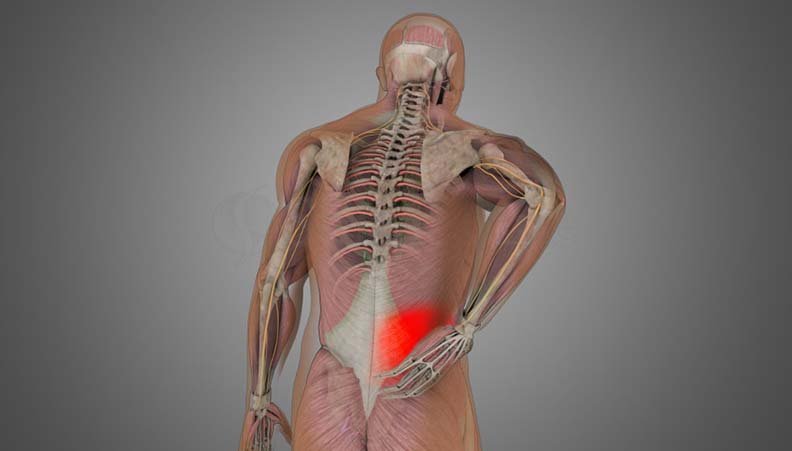
A Back Sprain or Lumbar Strain is one of the most common causes of low back pain. It occurs when the muscles, tendons or ligaments supporting the lower back become overstretched, strained or injured. This can result from sudden movements, improper lifting techniques, prolonged poor posture or excessive physical activity.
Although the pain can sometimes be severe, most back sprains are mechanical in nature and improve with appropriate treatment and rehabilitation.
Common Symptoms
Patients may experience:
Pain in the lower back
Muscle spasm or tightness
Stiffness while bending or standing
Difficulty getting up from a chair or bed
Pain that worsens with movement
Reduced flexibility of the lower back
Pain after lifting heavy objects
Pain after prolonged sitting or standing
Unlike nerve-related conditions, a simple back sprain usually does not cause pain radiating below the knee, numbness or weakness in the legs.
Causes & Risk Factors
Common causes include:
Lifting heavy objects incorrectly
Sudden twisting movements
Prolonged sitting
Poor posture
Excessive physical exertion
Sedentary lifestyle
Weak core muscles
Sports-related injuries
Obesity
Repetitive bending activities
Risk factors include:
Desk-based occupations
Lack of regular exercise
Smoking
Poor ergonomics
Previous episodes of back pain
When Should You Seek Medical Advice?
Medical evaluation is recommended if:
Pain persists beyond 2–3 weeks
Symptoms are progressively worsening
Pain radiates into the leg
Tingling or numbness develops
Weakness occurs in the leg or foot
Pain follows a significant injury or fall
Fever or unexplained weight loss is present
Pain affects sleep or daily activities
How Is It Diagnosed?
Clinical Examination
A detailed history and physical examination are usually sufficient to diagnose a lumbar strain and rule out more serious conditions.
X-Ray
May be advised when persistent pain, deformity or trauma is present.
MRI
Recommended if symptoms suggest a slip disc, nerve compression or other spinal pathology.
CT Scan
Occasionally required for detailed assessment of spinal bones, especially after trauma.
Blood Tests
May be advised if infection, inflammatory disease or other medical conditions are suspected.
Treatment Options
Non-Surgical Treatment
Most patients improve without surgery.
Treatment may include:
Activity modification
Short-term pain medications
Physiotherapy
Core strengthening exercises
Stretching exercises
Posture correction
Ergonomic modifications
Weight management
Heat therapy
Remaining active within comfortable limits is generally encouraged, as prolonged bed rest may delay recovery.
Surgical Treatment
Surgery is not required for a simple back sprain or lumbar strain.
If symptoms are caused by an underlying condition such as a slip disc, spinal instability or nerve compression, further evaluation may be required to determine the appropriate treatment.
Frequently Asked Questions
1. Is a back sprain the same as a slip disc?
No. A back sprain involves injury to muscles or ligaments, whereas a slip disc involves displacement of disc material that may compress nerves.
2. How long does a lumbar strain take to recover?
Most patients improve within a few days to several weeks, depending on the severity of the injury.
3. Should I take complete bed rest?
Prolonged bed rest is generally not recommended. Gentle activity and gradual mobilisation often aid recovery.
4. Can physiotherapy help?
Yes. Physiotherapy helps reduce pain, restore movement and strengthen supporting muscles.
5. When should I get an MRI?
MRI is usually considered when symptoms persist, recur frequently or are associated with leg pain, numbness or weakness.
6. Can poor posture cause low back pain?
Yes. Poor posture is one of the most common contributors to mechanical back pain.
7. Is walking beneficial for back pain?
In most cases, gentle walking is beneficial and promotes recovery.
8. Can back sprains recur?
Yes. Without addressing posture, ergonomics and core strength, symptoms may recur.
Related Conditions
Mechanical Low Back Pain (Lumbago)
Slip Disc
Sciatica
Lumbar Canal Stenosis
Spondylolisthesis
Osteoporosis
Sacroiliitis
When Should You Consult a Spine Specialist?
If your back pain persists despite treatment, recurs frequently, radiates into the leg, or interferes with your daily activities, a consultation with a spine specialist can help identify the underlying cause and guide appropriate treatment.
Need Expert Advice?
Book a consultation with Dr. Siddharth Katkade or upload your MRI/report for review through our Patient Resource Centre.
Need Clinical Evaluation?
Consult with Dr. Siddharth Katkade (MBBS, MS, DNB, FASSI Germany/UK) for accurate diagnosis and personalized spine treatment.