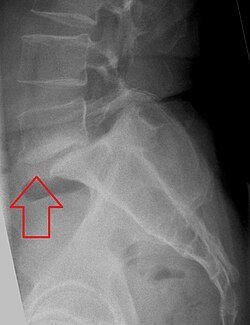
Spondylolisthesis is a condition in which one vertebra (spinal bone) slips forward over the vertebra below it. This can lead to instability of the spine and may cause compression of nearby nerves, resulting in back pain, leg pain or neurological symptoms.
The condition most commonly affects the lower back (lumbar spine), particularly at the L4-L5 and L5-S1 levels. Spondylolisthesis may occur due to age-related degeneration, stress fractures, congenital abnormalities or previous spinal injuries.
Not all patients with spondylolisthesis develop symptoms, and many cases are discovered incidentally during imaging studies.
Common Symptoms
Patients may experience:
Low back pain
Stiffness in the lower back
Pain that worsens with standing or walking
Pain radiating into one or both legs
Sciatica-like symptoms
Tingling or numbness in the legs
Weakness in the legs
Tight hamstring muscles
Difficulty standing for prolonged periods
In severe cases:
Reduced walking distance
Balance problems
Progressive neurological symptoms
Causes & Risk Factors
Spondylolisthesis can occur due to several reasons:
Degenerative Spondylolisthesis
The most common type, occurring due to age-related wear and tear of the spine.
Isthmic Spondylolisthesis
Caused by a defect or stress fracture in a part of the vertebra known as the pars interarticularis.
Congenital Spondylolisthesis
Present from birth due to abnormal spinal development.
Traumatic Spondylolisthesis
Occurs following spinal injury.
Pathological Spondylolisthesis
Occurs due to infection, tumors or other diseases affecting the spine.
Risk factors include:
Increasing age
Repetitive spinal loading
Certain sports involving hyperextension of the spine
Obesity
Family history
Degenerative spinal disease
When Should You Seek Medical Advice?
Medical evaluation is recommended if:
Back pain persists despite treatment
Leg pain develops
Numbness or tingling occurs
Walking becomes difficult
Symptoms progressively worsen
Daily activities become affected
Seek Immediate Medical Attention If:
Progressive weakness develops
Walking becomes significantly impaired
Bladder or bowel symptoms occur
Severe neurological symptoms develop
How Is It Diagnosed?
Clinical Examination
A detailed examination helps assess spinal stability, nerve involvement and functional limitations.
X-Ray
X-rays are particularly useful for diagnosing spondylolisthesis and determining the degree of vertebral slippage.
Dynamic flexion-extension X-rays may be performed to assess spinal instability.
MRI
MRI helps evaluate:
Nerve compression
Disc degeneration
Lumbar canal stenosis
Associated soft tissue abnormalities
CT Scan
CT provides detailed information about bony anatomy and is especially useful in isthmic spondylolisthesis.
Blood Tests
Generally not required unless infection or inflammatory disease is suspected.
Treatment Options
Non-Surgical Treatment
Many patients can be managed successfully without surgery.
Treatment may include:
Activity modification
Physiotherapy
Core strengthening exercises
Posture correction
Weight management
Medications
Lifestyle modifications
The goal is to improve spinal stability, reduce symptoms and maintain function.
The choice of procedure depends on the degree of slippage, instability and nerve compression.
Frequently Asked Questions
1. What does Spondylolisthesis mean?
It means that one spinal bone has slipped forward over the bone below it.
2. Is Spondylolisthesis serious?
Many patients have mild spondylolisthesis without symptoms. However, significant slippage can cause pain, instability and nerve compression.
3. Can Spondylolisthesis cause Sciatica?
Yes. Compression of spinal nerves may result in leg pain, numbness or weakness.
4. Does every patient need surgery?
No. Many patients improve with physiotherapy, exercise and other conservative treatments.
5. Can exercise help?
Yes. Core strengthening and supervised rehabilitation are often beneficial.
6. What is spinal instability?
It refers to abnormal movement between spinal segments that may contribute to pain or nerve compression.
7. Can Spondylolisthesis worsen over time?
Some cases may progress, particularly if instability is present.
8. Is walking safe?
In most cases, walking is encouraged and forms an important part of rehabilitation.
9. Can minimally invasive surgery be performed?
Yes. Many patients may be candidates for minimally invasive stabilization procedures depending on their condition.
10. How is Spondylolisthesis different from a Slip Disc?
A slip disc involves disc herniation, whereas spondylolisthesis involves forward slippage of one vertebra over another.
Related Conditions
Lumbar Canal Stenosis
Sciatica
Slip Disc (Disc Herniation)
Mechanical Low Back Pain (Lumbago)
Spinal Fracture
Osteoporosis
When Should You Consult a Spine Specialist?
If you have persistent back pain, leg symptoms, walking difficulties or concerns regarding spinal instability, a consultation with a spine specialist can help establish the diagnosis and determine the most appropriate treatment plan.
Early evaluation is particularly important when neurological symptoms or progressive weakness develop.
Need Expert Advice?
Book a consultation with Dr. Siddharth Katkade or upload your MRI/report for review through our Patient Resource Centre.
Need Clinical Evaluation?
Consult with Dr. Siddharth Katkade (MBBS, MS, DNB, FASSI Germany/UK) for accurate diagnosis and personalized spine treatment.